 By Admin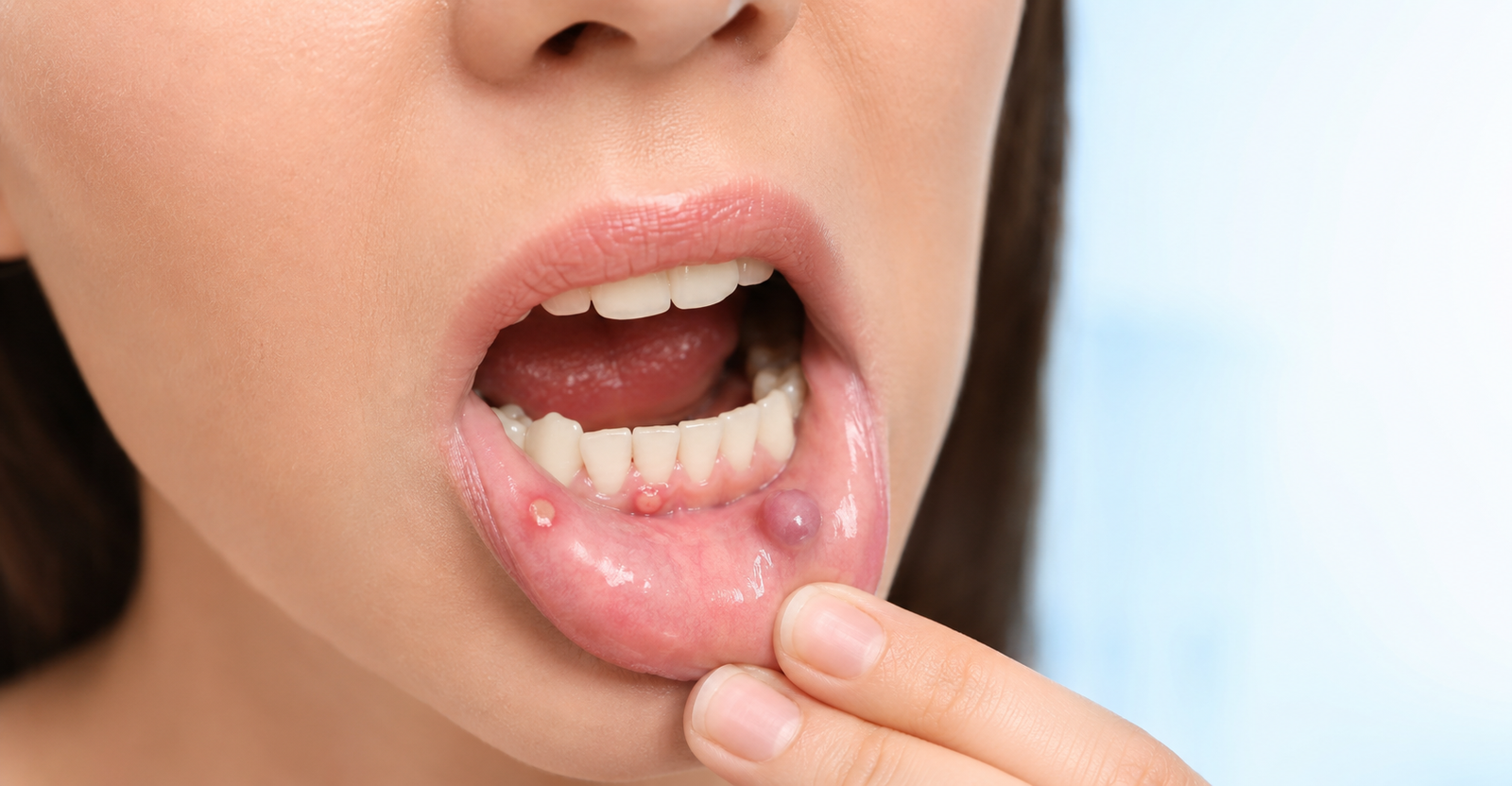
If you have a small bump on your inner cheek, lip, gum, tongue, or roof of your mouth, it is natural to wonder: can you get zits inside your mouth? The short answer is that true acne-style zits do not usually form inside the mouth. A real zit or pimple forms when a hair follicle becomes clogged with oil and dead skin cells, and the inside of your mouth is not skin with hair follicles in the same way your face, chest, or back is. Mayo Clinic explains that acne happens when hair follicles become plugged with oil and dead skin cells.
So, when people ask can you get zits in your mouth, they are usually looking at something that looks like a pimple but is actually another type of mouth bump, oral sore, mucous cyst, canker sore, or gum abscess. Some are harmless and go away on their own. Others need a dentist or doctor to check them.
Can You Get a Zit Inside Your Mouth?
If you mean a normal acne pimple, then no, you usually cannot get a true zit inside your mouth. Acne needs pores, oil glands, and hair follicles. The soft lining inside your mouth is called oral mucosa, and it behaves differently from skin.
But if you mean a small raised bump that looks like a zit, then yes, you can get pimple-like bumps inside your mouth. These may appear as:
- A clear or bluish bubble on the inner lip
- A white sore with a red border
- A painful bump on the gum
- A swollen spot after biting your cheek
- A lump caused by irritation from a sharp tooth or dental appliance
- A pus-filled gum bump linked to infection
This is why the phrase can you get a zit inside your mouth needs a careful answer. The bump may look like a zit, but the cause is usually different.
Why Mouth Bumps Can Look Like Pimples
Mouth bumps can be confusing because several conditions create small raised spots. Some are smooth and painless. Some burn. Some feel tender when touched by food, your tongue, or a toothbrush.
A bump may look like a pimple because of swelling, trapped fluid, pus, or irritation. Top Doctors notes that mouth lumps can come from trauma, blocked salivary glands, infections, ulcers, benign growths, or less common serious causes, so a lasting or unusual bump should not be ignored.
The most common causes are not usually dangerous, but the location, color, pain level, and how long it lasts matter.
Oral Mucocele: A Common “Pimple-Like” Mouth Bump
One of the most common reasons for a smooth bump inside the mouth is an oral mucocele, also called a mucous cyst. It often appears on the inside of the lower lip, but it can also show up on the inner cheek, tongue, gums, or floor of the mouth.
A mucocele is not a zit. It is a fluid-filled cyst that forms when a small salivary gland or duct gets damaged or blocked. Cleveland Clinic describes an oral mucocele as a harmless mucus-filled cyst that is usually painless and often caused by minor trauma, such as biting your lip.
A mucocele may look:
- Smooth
- Round
- Clear, pale, or bluish
- Soft when touched
- Painless or mildly uncomfortable
- Larger or smaller at different times
Colgate notes that mucoceles usually form near a salivary duct after trauma, such as lip biting, cheek chewing, contact with a sharp tooth, or repeated tongue pressure against teeth.
Most small mucoceles settle on their own, but you should not pop them. Colgate says most oral mucoceles do not need treatment because they often rupture naturally within three to six weeks, but persistent or large cysts may need dental treatment such as laser treatment, cryotherapy, or surgery.
Canker Sores Can Feel Like a Painful Mouth Zit
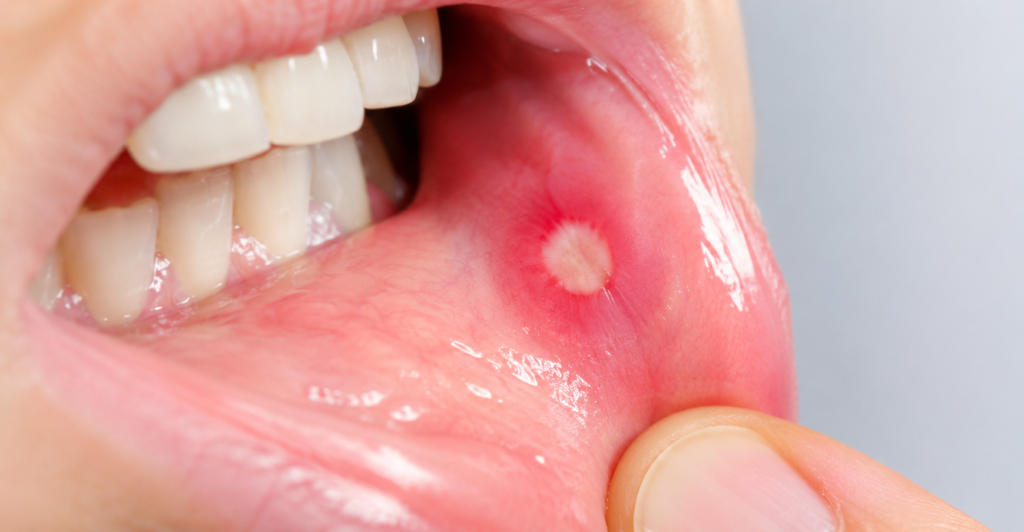
A canker sore is another common reason people think they have a zit inside their mouth. Canker sores are not pimples. They are shallow ulcers that usually appear inside the lips, cheeks, tongue, or gums.
They often start with tingling or burning, then turn into a painful white or yellow sore with a red edge. MyHealth Alberta describes canker sores as painful white sores that often appear on the tongue, inside the cheeks, and inside the lips, and notes they are not contagious.
Common triggers may include:
- Accidentally biting your cheek or tongue
- Stress
- Certain foods
- Mouth irritation
- Dental work
- Braces or sharp edges
- Possible immune or nutritional factors
Canker sores can make eating, drinking, brushing, and talking uncomfortable. MyHealth Alberta says the pain usually decreases in about a week, and most canker sores heal within a few weeks.
Gum Abscess: When a “Pimple” on the Gum Is an Infection
A bump on the gum that looks like a pimple can sometimes be a gum abscess or tooth abscess. This is more serious than a simple mouth sore. A dental abscess is a pocket of pus caused by a bacterial infection, and it can form in the teeth, gums, or bone around the teeth.
A gum abscess may cause:
- Throbbing tooth or gum pain
- Swelling on the gum
- A small pimple-like bump
- Bad taste in the mouth
- Pus drainage
- Pain when chewing
- Sensitivity to hot or cold
- Swollen face or jaw
- Fever in more serious cases
A dental abscess should be checked by a dentist. NHS Inform states that dental abscesses should be looked at by a dentist whether they are painful or not.
Do not try to squeeze a gum bump. If it is an abscess, popping it does not treat the infection at its source.
Trauma Bumps From Biting or Irritation
Sometimes a bump inside the mouth comes from a simple injury. You may bite your cheek while eating, scrape the inside of your mouth with a sharp chip, irritate your gum with hard brushing, or rub tissue against braces, dentures, or a rough tooth edge.
These bumps may feel swollen, tender, or raised. Top Doctors explains that repeated irritation, such as cheek biting, a sharp tooth, or an ill-fitting denture, can lead to benign mouth lumps.
If the irritation stops, the bump often calms down. But if the same area keeps getting rubbed or bitten, it may keep returning.
Cold Sores vs Mouth Pimples
Cold sores are sometimes confused with pimples or mouth bumps, but they are different. Cold sores are caused by the herpes simplex virus and usually appear on or around the lips. They can sometimes affect areas near the mouth and are often linked with tingling, burning, small blisters, and crusting.
A cold sore is not the same as a canker sore. Canker sores usually happen inside the mouth and are not contagious. Cold sores are contagious and often appear outside the mouth on the lip border.
If you are unsure whether a bump is a cold sore, canker sore, mucocele, or abscess, it is better to have a dentist or doctor check it, especially if it keeps coming back.
What Not to Do With a Zit-Like Bump in Your Mouth
It may be tempting to poke, squeeze, or pop a bump inside your mouth, but that can make things worse. The mouth contains bacteria, and irritating the area can lead to more swelling, bleeding, infection, or delayed healing.
Cleveland Clinic says you should not try to remove an oral mucocele on your own because home treatment can cause infection or damage oral tissues.
Avoid:
- Popping the bump
- Scraping it with your fingernail
- Using harsh mouthwash
- Applying acne creams inside the mouth
- Burning it with home remedies
- Ignoring a painful gum bump
- Continuing to chew on the same area
Acne products are made for skin, not the inside of the mouth. They may burn or irritate oral tissue.

How to Soothe a Small Mouth Bump at Home
For a mild mouth bump that seems related to irritation or a canker sore, gentle care may help while it heals.
You can try:
- Rinsing with warm salt water
- Eating soft, bland foods
- Avoiding spicy, salty, acidic, or crunchy foods
- Using a soft-bristle toothbrush
- Drinking cool liquids
- Avoiding tobacco
- Not touching the bump with your tongue all day
- Keeping the area clean without over-scrubbing
MyHealth Alberta recommends soft, bland foods and avoiding spicy, salty, citrus, tomato, coffee, chocolate, nuts, and seeds while a canker sore heals.
These steps may reduce discomfort, but they do not replace dental care if the bump is infected, growing, bleeding, or lasting too long.
When to See a Dentist or Doctor
Most small mouth bumps are harmless, but some need professional attention. A dentist can tell whether the bump is a mucocele, ulcer, abscess, irritation lump, cyst, or something else.
You should get checked if the bump:
- Lasts longer than two to three weeks
- Keeps coming back in the same spot
- Grows larger
- Bleeds easily
- Changes color
- Causes severe pain
- Makes chewing or swallowing difficult
- Comes with fever or facial swelling
- Looks like a gum pimple with pus
- Appears with a lump in the neck
- Does not heal after removing the source of irritation
The NHS advises seeing a GP or dentist if a mouth ulcer lasts longer than three weeks. Top Doctors also recommends professional advice if a mouth lump lasts longer than three weeks, changes size or color, bleeds easily, or causes discomfort.
Why You Should Not Ignore a Persistent Mouth Bump
Most mouth bumps are not cancer. Still, a bump or sore that does not heal deserves attention. Oral cancer is less common than everyday causes like ulcers or mucoceles, but early checking matters.
Top Doctors notes that an unexplained mouth lump, ulcer, or patch that does not heal within three weeks could be a sign of oral cancer, especially if there is persistent pain, trouble swallowing, or a lump in the neck.
This does not mean every mouth bump is dangerous. It means you should not keep guessing if it does not go away.
Can you get zits inside your mouth?
Not true acne zits. Real pimples form in hair follicles and oil glands, while the inside of the mouth is oral mucosa. But you can get bumps that look like zits.
Can you get zits in your mouth?
People often use “zits” to describe any small bump. In the mouth, that bump may be a mucocele, canker sore, irritation bump, gum abscess, or another oral lesion.
Can you get a zit inside your mouth?
A true acne zit is unlikely inside the mouth. A pimple-like bump on the inner lip, cheek, tongue, or gum should be treated as a mouth lesion, not regular acne.
Helpful Takeaway
A bump inside your mouth may look like a zit, but it usually is not acne. The most common possibilities include oral mucoceles, canker sores, irritation bumps, and sometimes a dental abscess. Small, painless bumps may clear up on their own, but painful, pus-filled, bleeding, growing, or long-lasting bumps should be checked by a dentist or doctor.
 Jack kallis