 By Jack kallis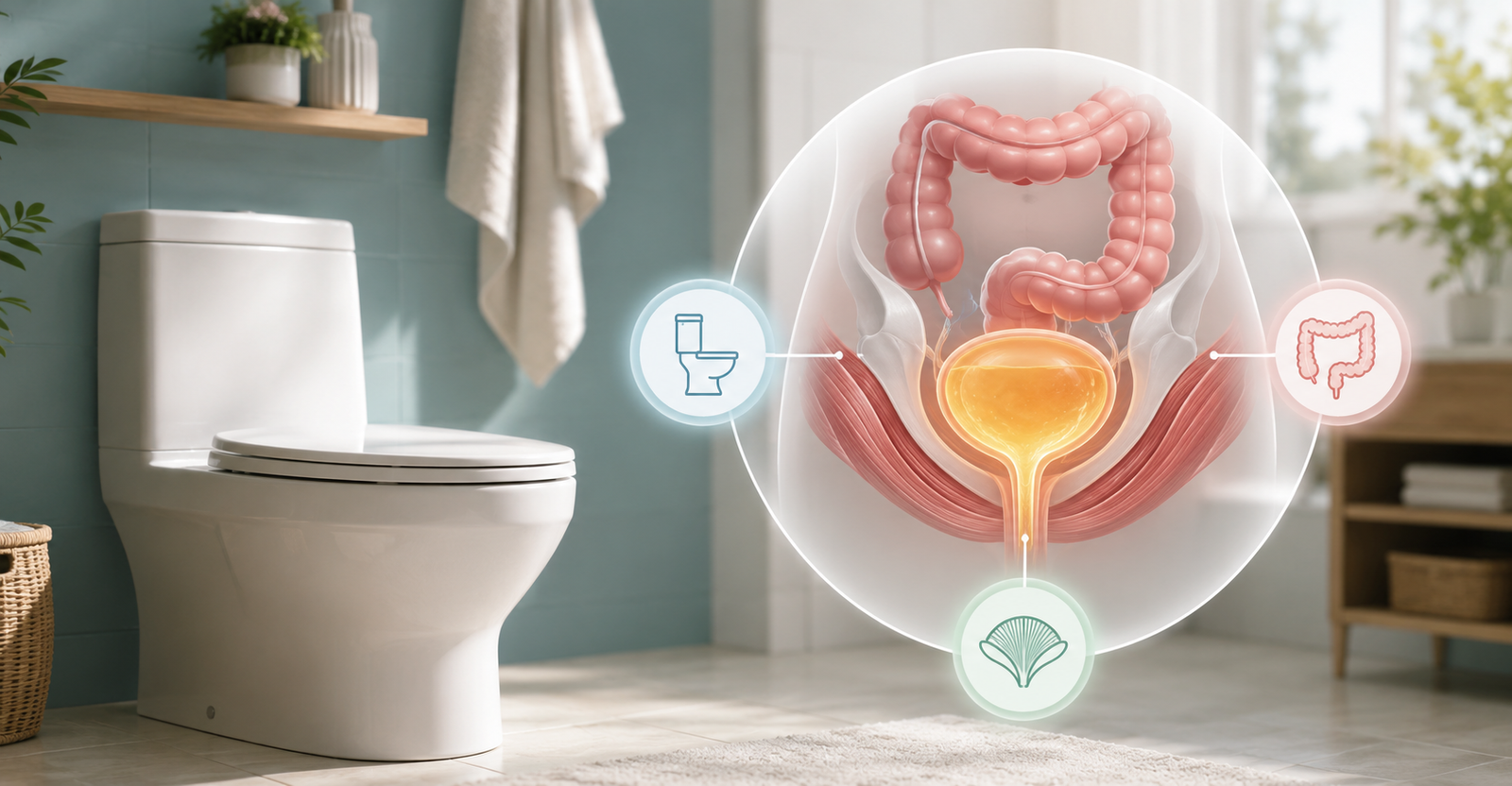
If you have ever wondered why do you pee when you poop, you are not alone. It is one of those everyday body questions that feels strange to ask, but the answer is actually simple: your bladder, bowel, pelvic floor muscles, and nerves work very close together.
For most people, it is completely normal to poop and pee at the same time. When you sit on the toilet for a bowel movement, your pelvic floor relaxes, your abdominal pressure changes, and your body may release urine too, especially if there is already some urine sitting in the bladder. Cleveland Clinic explains that the pelvic floor supports the bladder, urethra, bowel, rectum, and anus, and that relaxing these muscles widens the passages so you can pee, poop, or pass gas.
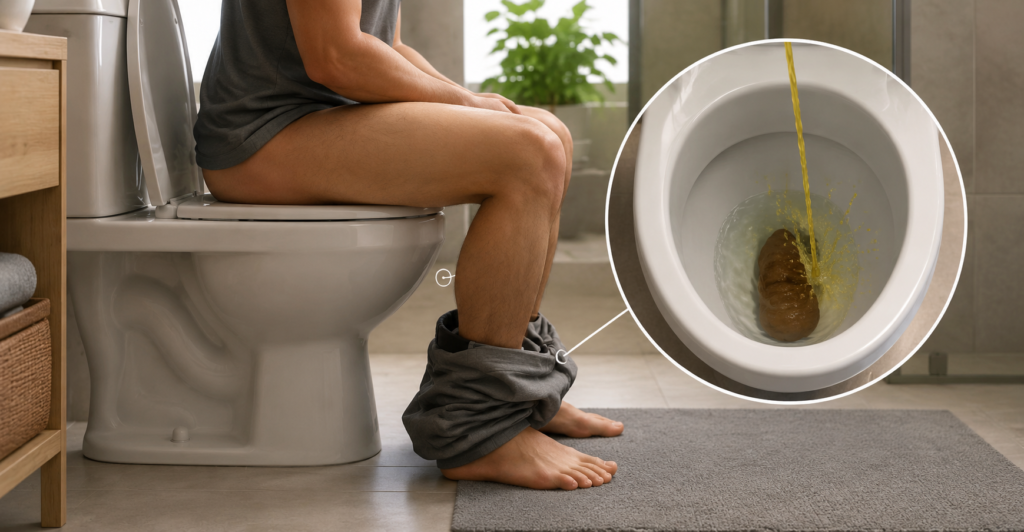
So, if you are asking can you pee and poop at the same time, the answer is yes. In fact, for many people, urinating and defecating at the same time is just a normal part of how the bathroom reflex works.
Why Do You Pee When You Poop?
You often pee when you poop because both actions use overlapping muscles and nerves in the pelvis. Your bladder stores urine. Your rectum holds stool before a bowel movement. Both areas are supported by the pelvic floor, a group of muscles that helps you control when you release pee, poop, and gas.
When you decide to poop, your body relaxes the muscles around the anus and pelvic floor. That same relaxation can also make it easier for urine to leave the bladder. If your bladder has urine in it, even a small amount, it may come out while you are having a bowel movement.
That is why peeing and pooping at the same time is common. It does not automatically mean your bladder is weak or something is wrong.
The Bladder and Bowel Are Close Neighbors
The bladder and bowel sit close together inside the pelvis. They do different jobs, but they share space, muscle support, and nerve communication.
Your bladder’s job is to hold urine until you are ready to pee. Your rectum’s job is to hold stool until you are ready to poop. The pelvic floor acts like a supportive sling underneath these organs. When the pelvic floor squeezes, it helps hold things in. When it relaxes, it helps let things out.
This is why bathroom habits can overlap. If you sit down, relax your pelvic floor, and create pressure to pass stool, the bladder may empty too.
Why Can You Pee Without Pooping, But Often Pee When You Poop?
Many people notice that they can pee without pooping, but when they poop, urine often comes out too. This happens because peeing can be a more targeted action. You can relax enough to urinate without fully triggering a bowel movement.
Pooping usually requires broader relaxation of the pelvic floor and anal sphincter area. The defecation reflex starts when stool stretches the rectum, then the body coordinates muscles and sphincters so stool can move out. Healthline explains that the defecation reflex involves the rectum, anal sphincters, pelvic floor, and nerve signals between the bowel and brain.
So, during a bowel movement, your body is already in “release mode.” If urine is waiting in the bladder, it may come out too.
Is It Normal to Poop and Pee at the Same Time?
Yes, it is usually normal to poop and pee at the same time. It is especially common if:
- You have not urinated in a while
- Your bladder is partly full
- You are relaxed on the toilet
- You are having a larger bowel movement
- You are straining slightly
- You drink caffeine or a lot of fluids
- You go to the bathroom first thing in the morning
It can also happen more often in people with constipation, pregnancy, pelvic floor weakness, overactive bladder, or prostate-related urinary symptoms.
The important difference is control. If you choose to sit on the toilet and both happen, that is usually normal. If urine or stool leaks when you do not want it to, that may be a sign of incontinence or pelvic floor dysfunction.
The Role of Pelvic Floor Muscles
The pelvic floor is central to this whole process. These muscles help control your urethra and anus. Cleveland Clinic notes that squeezing the pelvic floor narrows the urethra and anus so waste does not escape, while relaxing the muscles widens those passages so you can pee, poop, or pass gas.
Healthy pelvic floor muscles need balance. They should be strong enough to hold urine and stool, but flexible enough to relax when you need to go.
If the pelvic floor is weak, you may leak urine or stool. If it is too tight, you may have trouble peeing, trouble pooping, constipation, pelvic pain, or a feeling that you cannot fully empty. Cleveland Clinic lists urinary incontinence and fecal incontinence among problems linked with weak pelvic floor muscles, while tight pelvic floor muscles may contribute to constipation and difficulty peeing.
Does Pooping Put Pressure on the Bladder?
Yes, it can. When the rectum fills with stool, it may put pressure on nearby pelvic organs, including the bladder. During a bowel movement, abdominal pressure can also increase. That pressure may make it easier for urine to come out, especially if your bladder is already somewhat full.
Constipation can make this more noticeable. A full rectum may press on the bladder or affect pelvic floor coordination. Some people with constipation feel like they need to pee more often or have trouble fully emptying their bladder.
Cleveland Clinic notes that urinary incontinence can sometimes improve when an underlying temporary cause, such as constipation, a UTI, or certain medication, is addressed.
When Peeing While Pooping May Be More Noticeable
You may notice it more during certain times or situations.
Morning Bathroom Trips
Many people wake up with both a fuller bladder and bowel activity. After sleep, the bladder may be ready to empty, and the bowel may also become active after waking, drinking coffee, or eating breakfast.
After Coffee or Caffeine
Caffeine can stimulate the bowel and bladder in some people. That may make morning bathroom trips feel more urgent.
Constipation
If you strain to poop, pressure in the abdomen increases. This may push on the bladder and make urine come out at the same time.
Pregnancy and Postpartum Changes
Pregnancy and childbirth can weaken or stretch the pelvic floor. NIDDK notes that pregnancy and childbirth can weaken pelvic floor muscles and contribute to bladder control problems in women.
Prostate Issues in Men
In men, an enlarged prostate can make it harder to start urinating, weaken the urine stream, or prevent full bladder emptying. NIDDK explains that prostate enlargement can squeeze the urethra and cause problems starting urination or fully emptying the bladder.
When It Is Not Just Normal Bathroom Timing
Peeing while pooping is usually fine. But involuntary leakage is different.
You should pay attention if you experience:
- Urine leaking before you reach the toilet
- Stool leakage without control
- Sudden strong urges you cannot hold
- Pain while peeing
- Blood in urine or stool
- Ongoing constipation
- Diarrhea with leakage
- Numbness around the groin or rectum
- New bladder or bowel changes after injury
- Trouble starting urine or fully emptying the bladder
- Loss of bladder or bowel control
Cleveland Clinic defines urinary incontinence as losing bladder control and leaking pee, and it recommends talking to a healthcare provider when you first notice leakage or changes to bathroom habits.
What If Poop Comes Out Every Time You Pee?
That is different from simply urinating and defecating at the same time when you are intentionally having a bowel movement. If stool comes out when you only meant to pee, or if you cannot control stool leakage, that may be a bowel control problem.
NIDDK describes fecal incontinence as accidental passing of solid or liquid stool, including having a strong urge for a bowel movement and not being able to control it.
This can happen because of diarrhea, constipation, nerve problems, pelvic floor injury, childbirth-related injury, rectal problems, or other digestive conditions. It is not something to feel embarrassed about, but it is worth discussing with a doctor.
What If You Feel Like You Cannot Pee and Poop Properly?
Some people have the opposite problem. They sit on the toilet and feel like the muscles will not relax. They may strain, feel incomplete emptying, or feel pelvic pressure.
That can happen with pelvic floor dysfunction. Cleveland Clinic explains that pelvic floor dysfunction can involve muscles that are too weak or too tight, and tight pelvic muscles may contribute to constipation, difficulty peeing, and pelvic pain.
If this happens often, forcing or straining harder is not the best answer. A healthcare provider may suggest evaluation, constipation treatment, bladder testing, or pelvic floor physical therapy.
Simple Habits That May Help
If you simply pee when you poop and have no pain or leakage, you probably do not need to do anything. But if bathroom trips feel uncomfortable or incomplete, small habits may help.
Try to:
- Sit fully on the toilet instead of hovering
- Keep your feet supported
- Relax your belly and jaw
- Avoid holding your breath
- Do not strain hard
- Drink enough water
- Eat enough fiber
- Treat constipation early
- Take your time without forcing
- Talk to a doctor if leakage or pain appears
Cleveland Clinic notes that for fecal incontinence related to constipation, changing eating and drinking habits, including fiber-rich foods and drinking more water, may help prevent chronic constipation.