 By Jack kallis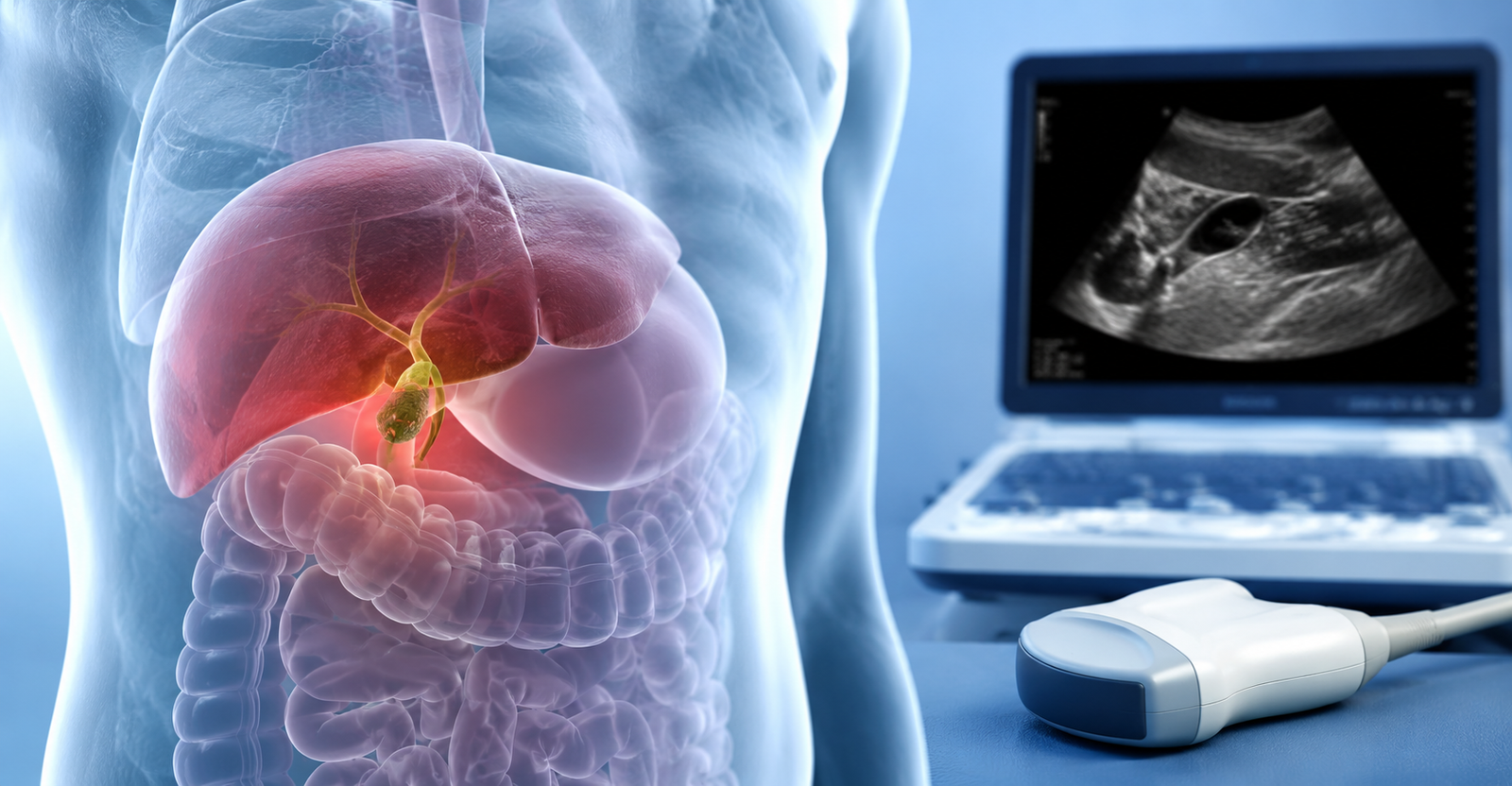
If your ultrasound report says contracted gallbladder, it can sound more serious than it actually is. Many people immediately wonder: what does a contracted gallbladder mean, and does it point to gallstones, inflammation, or something dangerous?
In simple words, a contracted gallbladder means the gallbladder looks smaller, squeezed, collapsed, or not fully filled with bile at the time of imaging. Sometimes this is completely normal, especially if you ate before the scan. After meals, the gallbladder naturally tightens and releases bile into the small intestine to help digest fat. That is why many gallbladder ultrasounds require fasting, often for several hours, so the gallbladder stays full enough to see clearly.
But a contracted gallbladder can also appear because of gallstones, chronic inflammation, cystic duct blockage, or long-term gallbladder disease. The meaning depends on your symptoms, whether you fasted before the ultrasound, and what else the scan showed.
What Does a Contracted Gallbladder Mean?
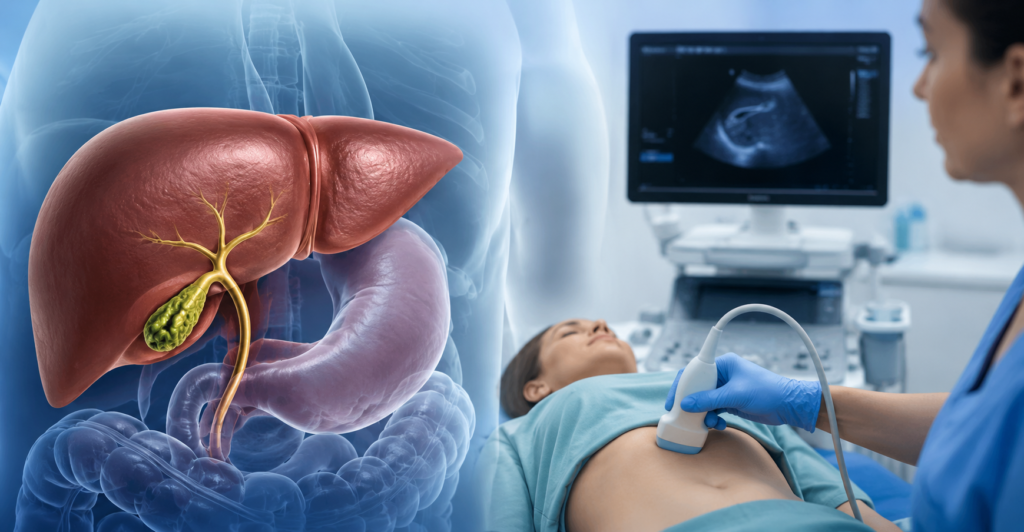
A contracted gallbladder means the organ is not expanded with bile. Instead, it appears small, tight, or difficult to see on ultrasound. The gallbladder is a small pear-shaped organ under the liver that stores bile, a digestive fluid your body uses to break down fats.
A contracted gallbladder can mean different things in different situations:
- You recently ate, so the gallbladder emptied normally.
- The ultrasound was done without enough fasting time.
- Gallstones or sludge may be affecting bile movement.
- The gallbladder wall may be scarred from chronic inflammation.
- A blockage may be stopping bile from entering or leaving properly.
- The gallbladder may not be functioning well.
This is why the phrase alone does not give the full answer. A report that says “contracted gallbladder” without pain, fever, stones, or wall thickening may be less concerning than a report that mentions gallstones, thickened gallbladder wall, bile duct dilation, or pericholecystic fluid.
Why the Gallbladder Contracts After Eating
The gallbladder is not meant to stay the same size all day. It naturally fills and empties. When you eat, especially fatty food, your body signals the gallbladder to contract. This pushes bile into the small intestine to help with digestion.
That normal contraction is one reason doctors often ask patients to fast before a gallbladder ultrasound. If you eat too close to the test, the gallbladder may already be emptied and shrunken, making it harder to evaluate. Verywell Health notes that fasting for six to twelve hours may be requested because the gallbladder contracts and releases bile after meals, while providers usually want to see it at rest.
So if your report says the gallbladder was contracted and you had eaten recently, the finding may simply reflect normal digestion.
Contracted Gallbladder on Ultrasound: Why It Matters
A contracted gallbladder on ultrasound can make the scan harder to interpret. When the gallbladder is full, the radiologist can usually see the walls, inside space, stones, sludge, or other abnormalities more clearly. When it is contracted, it may be difficult or even impossible to see well. Healthline notes that a contracted gallbladder may be very hard or impossible to visualize on ultrasound images.
This does not always mean something is wrong. It may mean the timing of the scan was not ideal. In some cases, your doctor may recommend a repeat ultrasound after proper fasting.
However, if you fasted correctly and the gallbladder was still contracted, your doctor may look more closely for signs of chronic gallbladder disease, scarring, stones, or poor gallbladder function.
Common Causes of a Contracted Gallbladder
Recent Meal or Not Fasting Before Ultrasound
This is one of the most common and least worrying explanations. If you ate before the scan, especially a meal with fat, the gallbladder may have done its normal job and released bile.
In this case, the report may say the gallbladder is contracted, partially contracted, collapsed, or poorly visualized. If you have no symptoms and the only issue was not fasting, your doctor may simply repeat the ultrasound under better conditions.
Gallstones
Gallstones are hardened deposits that can form inside the gallbladder. They may be made of cholesterol, bilirubin, or other bile materials. Many people have gallstones without symptoms, but stones can become painful when they block bile flow.
Gallstones can cause pain when the gallbladder contracts after a meal and a stone blocks the cystic duct or bile duct. Cleveland Clinic explains that gallstone symptoms often occur when the gallbladder contracts, usually after a meal, and a stone blocks the cystic duct.
If the report mentions a contracted gallbladder with gallstones, your doctor will consider whether your symptoms match gallbladder attacks.
Chronic Cholecystitis
Chronic cholecystitis means long-term inflammation of the gallbladder. It often happens when gallstones repeatedly irritate or block the gallbladder over time. Chronic inflammation can lead to thickening, scarring, and reduced ability to store or release bile properly.
Healthline explains that chronic inflammation can cause scarring of gallbladder tissue, making it harder for the gallbladder to store and release bile.
A chronically inflamed gallbladder may appear small, shrunken, or contracted on imaging. If you have repeated right upper abdominal pain, nausea after fatty meals, and ultrasound findings such as stones or wall thickening, chronic gallbladder disease becomes more likely.
Acute Cholecystitis
Acute cholecystitis is sudden gallbladder inflammation. It is often caused by a gallstone blocking the tube that drains the gallbladder. Cleveland Clinic states that gallstones blocking bile ducts are the most common cause of both acute and chronic cholecystitis.
This condition usually causes stronger symptoms than a simple incidental ultrasound finding. Symptoms may include severe upper right belly pain, nausea, vomiting, fever, and pain spreading to the back or right shoulder.
Johns Hopkins describes cholecystitis symptoms as intense upper right abdominal pain, pain that may spread to the back or right shoulder blade, nausea, vomiting, fever, jaundice, pale stools, and bloating.
Cystic Duct Blockage
The cystic duct is the small tube that allows bile to move in and out of the gallbladder. If a gallstone or thick sludge blocks this duct, bile flow can be disrupted.
When bile cannot move normally, the gallbladder may become inflamed, painful, or abnormal in appearance. Healthline notes that cystic duct blockage can prevent bile from being delivered into the gallbladder, causing it to shrink.
A blockage can become urgent if it causes infection, severe pain, fever, or jaundice.
Gallbladder Sludge
Gallbladder sludge is thickened bile that can collect inside the gallbladder. It may happen during pregnancy, rapid weight loss, fasting, illness, or certain medical conditions. Johns Hopkins notes that gallbladder sludge is thick material that can build up in the gallbladder, especially in pregnant women or people who have had very fast weight loss.
Sludge can sometimes pass without causing major problems, but it may also irritate the gallbladder or contribute to stones.
Contracted Gallbladder Symptoms
A contracted gallbladder itself may not cause symptoms. The symptoms usually come from the reason behind it, such as gallstones, inflammation, or blockage.
Possible symptoms include:
- Pain in the upper right side of the abdomen
- Pain after fatty or heavy meals
- Pain that spreads to the right shoulder or back
- Nausea
- Vomiting
- Bloating
- Indigestion
- Fever or chills
- Yellowing of the skin or eyes
- Dark urine
- Pale or clay-colored stools
Gallbladder pain often comes in episodes. Some people describe it as a deep ache, pressure, cramping, or sharp pain under the right ribs. Others feel pain in the upper middle abdomen and mistake it for acid reflux, gas, or a stomach problem.
When a Contracted Gallbladder May Be Normal
A contracted gallbladder may be normal if:
- You ate before the ultrasound.
- You did not fast long enough.
- You have no abdominal pain.
- There are no gallstones mentioned.
- The gallbladder wall is not thickened.
- There is no fever, jaundice, or vomiting.
- Your liver and bile duct results are normal.
- Your doctor says the scan was limited because of recent eating.
In this situation, a repeat ultrasound after proper fasting may give a clearer picture.
When to Worry About a Contracted Gallbladder
You should take the finding more seriously if the contracted gallbladder appears along with symptoms or abnormal scan findings.
Speak with a doctor promptly if you have:
- Severe right upper abdominal pain
- Pain lasting more than a few hours
- Fever or chills
- Repeated vomiting
- Yellow skin or yellow eyes
- Dark urine
- Pale stools
- Pain after fatty meals that keeps coming back
- Known gallstones with worsening symptoms
- Ultrasound findings such as wall thickening, fluid around the gallbladder, or bile duct dilation
These symptoms can suggest gallbladder inflammation, blocked bile flow, or complications. Cholecystitis can lead to infection, tissue death, pancreatitis, or inflammation in the abdominal lining if not treated properly.
What Your Ultrasound Report May Say
Gallbladder reports often include several terms. Understanding them can help you discuss the result with your doctor.
| Ultrasound Term | What It May Mean |
| Contracted gallbladder | Gallbladder looks small, empty, or difficult to see |
| Partially contracted gallbladder | Gallbladder is partly emptied, often from recent eating |
| Poorly visualized gallbladder | The gallbladder was hard to see clearly |
| Gallstones / cholelithiasis | Stones are present inside the gallbladder |
| Sludge | Thickened bile inside the gallbladder |
| Wall thickening | May suggest inflammation, scarring, or another process |
| Pericholecystic fluid | Fluid around the gallbladder, sometimes seen with inflammation |
| Bile duct dilation | May suggest blockage or impaired bile drainage |
Verywell Health notes that ultrasound can show gallstones, sludge, a distended gallbladder, abnormal wall changes, polyps, and other gallbladder abnormalities.
How Doctors Find the Cause
A contracted gallbladder is not usually diagnosed from one phrase alone. Doctors look at the full clinical picture.
They may review:
- Whether you fasted before the ultrasound
- Your pain location and timing
- Whether symptoms happen after fatty meals
- Any fever, vomiting, or jaundice
- Liver enzyme and bilirubin blood tests
- White blood cell count
- Ultrasound details
- Past gallbladder attacks
- Family history of gallstones
If the ultrasound is unclear, additional testing may be used.
Repeat Ultrasound
If the gallbladder was contracted because of eating, your doctor may order another ultrasound after proper fasting.
Blood Tests
Blood tests can check for infection, inflammation, liver irritation, bile duct blockage, or pancreatitis.
HIDA Scan
A HIDA scan can show how bile moves through the liver, gallbladder, and bile ducts. It can also help evaluate gallbladder function. Healthline notes that a HIDA test uses a tracer that can be followed through the biliary system to assess gallbladder function.
CT Scan or MRCP
In some cases, doctors may use CT or MRI-based imaging to look for complications, duct blockage, or problems not clearly seen on ultrasound.
Does a Contracted Gallbladder Need Treatment?
Not always. Healthline states that a contracted gallbladder does not always require treatment, especially if it is not causing symptoms.
Treatment depends on the cause.
If it happened because you ate before the scan, treatment may not be needed. If gallstones are present but you have no symptoms, your doctor may monitor the situation. If you have repeated gallbladder attacks, inflammation, or complications, treatment becomes more important.
Possible treatment options may include:
- Watching symptoms
- Dietary changes
- Pain and nausea medication during attacks
- Antibiotics if infection is suspected
- Gallbladder removal surgery if stones or inflammation keep causing problems
- ERCP if a stone is stuck in a bile duct
- Drainage procedures for people too unwell for surgery
For cholecystitis, Cleveland Clinic explains that the definitive treatment is usually gallbladder removal, because repeat episodes can cause further damage.
Food and Lifestyle Tips If You Have Gallbladder Symptoms
Food does not usually “fix” a diseased gallbladder, but it may help reduce symptom triggers while you wait for medical guidance.
Many people with gallbladder problems feel worse after greasy or heavy meals because fat makes the gallbladder contract. If symptoms are mild and your doctor has not advised urgent treatment, you may feel better by limiting:
- Fried foods
- Very fatty meats
- Heavy cream sauces
- Full-fat dairy
- Fast food
- Large late-night meals
- Highly processed snacks
Better-tolerated choices may include:
- Smaller meals
- Lean proteins
- Oats and whole grains
- Fruits and vegetables
- Low-fat yogurt
- Soups
- Boiled, baked, or grilled foods
- Plenty of water
Do not start extreme dieting or rapid weight loss without medical advice. Rapid weight loss can increase gallstone risk in some people.
Questions to Ask Your Doctor
If your report says contracted gallbladder, these questions can help you get a clearer answer:
- Did I fast long enough before the ultrasound?
- Was the gallbladder visible enough to evaluate?
- Were gallstones or sludge seen?
- Is the gallbladder wall thickened?
- Are my bile ducts normal?
- Do I need a repeat ultrasound?
- Do my symptoms sound like gallbladder attacks?
- Should I have blood tests?
- Would a HIDA scan be useful?
- Do I need to see a gastroenterologist or surgeon?
This is especially helpful if your report says “contracted gallbladder” but does not clearly explain whether it was a normal finding or a possible sign of disease.