 By Admin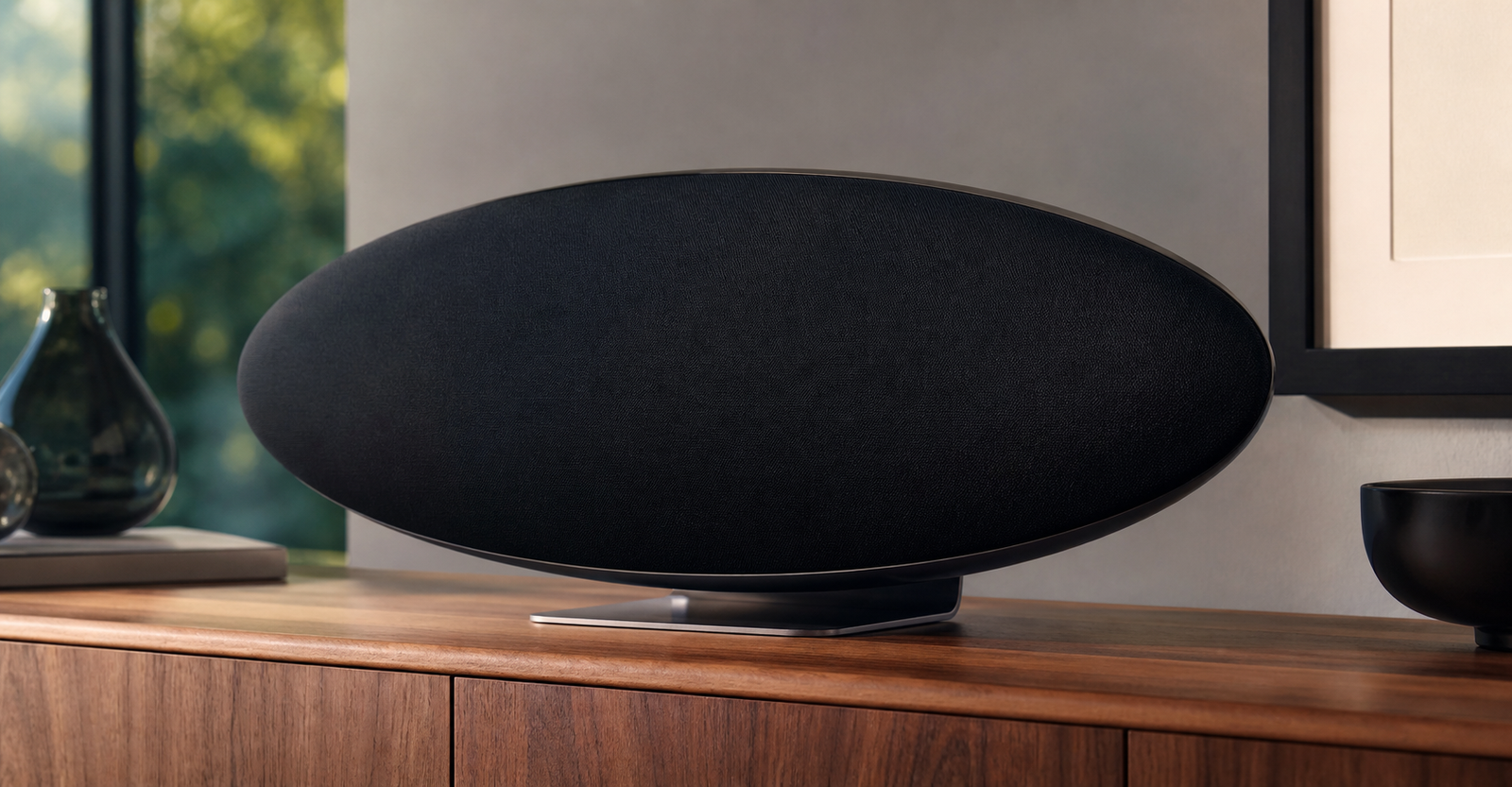
The Bowers & Wilkins A7 is one of those speakers that still gets attention years after its original release. It was not a small Bluetooth speaker or a budget wireless box. It was a premium AirPlay speaker made for people who wanted serious sound from a clean, single-cabinet system.
When it launched, the B&W A7 stood out because it combined Apple AirPlay, a built-in 6-inch subwoofer, dedicated amplifiers, a polished design, and the kind of audio tuning people expected from Bowers & Wilkins. It was aimed at users who wanted wireless music from an iPhone, iPad, iPod touch, Mac, or iTunes library without giving up too much sound quality.
Today, the question is different. The Bowers & Wilkins A7 is no longer a modern smart speaker. It does not have Bluetooth, Spotify Connect, voice control, built-in streaming apps, or support for newer multiroom systems in the way current speakers do. So, is it still worth buying used?
The answer depends on what you expect. If you want a simple modern speaker with every streaming feature, the A7 may feel dated. But if you want a powerful classic AirPlay speaker with strong bass, a wide soundstage, and premium build quality, it can still be an interesting choice.
What Is the Bowers & Wilkins A7?
The Bowers & Wilkins A7 is a wireless music system built around Apple AirPlay. It was designed as a larger, more powerful sibling to the Bowers & Wilkins A5, and it sat in the same premium audio world as the famous B&W Zeppelin Air.
Unlike the Zeppelin Air, the A7 does not have an iPod dock. Instead, it focuses on wireless playback through AirPlay, along with wired options such as USB input, Ethernet, and 3.5mm aux-in.
It is a single-box speaker, which means everything is built into one cabinet. You do not need a separate amplifier, receiver, or subwoofer. Inside, the A7 uses multiple drivers and dedicated amplification to create a room-filling sound from one compact unit.
Important features include:
Apple AirPlay support
USB input for computer playback
Ethernet port for wired network setup
3.5mm auxiliary input
Built-in subwoofer
Two tweeters
Two midrange drivers
Remote control
Premium black mesh design
Firmware update support
For its time, this was a serious wireless speaker for Apple users.
Design and Build Quality
The Bowers & Wilkins A7 has a simple, understated look. It does not have the dramatic curved shape of the B&W Zeppelin. Instead, it uses a clean rectangular cabinet with a black grille and a premium finish.
Some people may find the design too plain, especially compared with the more iconic Zeppelin Air. But the simplicity also helps it blend into a living room, office, bedroom, or bookshelf setup without looking flashy.
The build quality feels premium. Bowers & Wilkins has always been known for careful design, and the A7 has the kind of solid, refined feel that separates it from cheaper wireless speakers.
It is not portable, though. The A7 does not have a battery, and it is meant to stay plugged into a wall outlet. If you want a speaker to carry around the house or take outside, this is not the right product.
Sound Quality: Bass, Clarity, and Room Performance
The main reason people still search for the Bowers & Wilkins A7 is sound quality.
For a single-box wireless speaker, the A7 sounds big, confident, and surprisingly full. Its built-in subwoofer gives it a deeper low end than many smaller wireless speakers. Bass has weight, and the speaker can fill a medium-sized room without sounding thin.
The midrange is clean and detailed, which helps vocals and instruments come through clearly. Acoustic tracks, pop, jazz, electronic music, and classic rock all sound enjoyable on the B&W A7. The speaker also has a wide presentation for its size, so music does not feel trapped inside the cabinet.
The A7 is especially good for listeners who want a polished, full-bodied sound without setting up separate bookshelf speakers and an amplifier.
That said, it is not perfect. At very high volumes, placement matters. Put it too close to a wall or corner and the bass can become heavier than expected. It also does not offer the same stereo separation as two separate speakers placed apart.
Still, as an all-in-one AirPlay speaker, the Bowers & Wilkins A7 remains impressive.
AirPlay Setup and Connectivity
The Bowers & Wilkins A7 was built mainly for AirPlay, which means it works best with Apple devices. If you use an iPhone, iPad, Mac, or older iTunes setup, the speaker can stream music over your home network.
When everything works, AirPlay feels clean and convenient. You choose the A7 from your device’s audio output list and play music wirelessly.
The challenge is that the A7 is an older product. Setup can feel less smooth than with newer speakers. Some users may need the Bowers & Wilkins Control App, a wired Ethernet connection, or a reset before the speaker joins the home Wi-Fi network properly.
The wired options are helpful. The Ethernet port is especially useful if Wi-Fi setup becomes unreliable. A wired connection can also reduce dropouts in some homes.
Connectivity options include:
AirPlay for wireless Apple streaming
Ethernet for stable network connection
USB input for computer audio
3.5mm aux-in for wired devices
For Apple users, this is still useful. For Android users, the lack of Bluetooth is a major limitation.
Does the Bowers & Wilkins A7 Have Bluetooth?
No, the Bowers & Wilkins A7 does not have Bluetooth.
This is one of the biggest things to know before buying one today. Many modern users expect every wireless speaker to support Bluetooth, but the A7 was designed around Apple AirPlay instead.
That means it is best suited for people who use Apple devices or are comfortable streaming through AirPlay. If you use an Android phone or want quick Bluetooth pairing, the A7 may feel inconvenient.
You can still connect non-Apple devices through the 3.5mm aux-in, but that removes the wireless convenience.
So, if Bluetooth is important to you, a modern speaker like Sonos Five, Sonos Era 300, Naim Mu-so 2, Apple HomePod, or a newer Bowers & Wilkins Zeppelin may be a better fit.
Bowers & Wilkins A7 vs Zeppelin Air
The Bowers & Wilkins A7 and Zeppelin Air are often compared because both came from the same premium wireless speaker era.
The Zeppelin Air has the more iconic design. Its curved shape made it instantly recognizable, and it included an iPod dock, which was useful at the time. The A7, on the other hand, went for a cleaner box design and focused more directly on AirPlay.
In sound, both speakers are strong, but the A7 has a more restrained look and a powerful low-end presence thanks to its built-in subwoofer. The Zeppelin Air feels more like a statement piece, while the A7 feels more like a serious compact home speaker.
Choose the B&W A7 if you want a simpler design and strong room-filling sound.
Choose the Zeppelin Air if you want the more iconic Bowers & Wilkins look and like the idea of a classic iPod-era speaker.
Common Problems With the B&W A7
Because the Bowers & Wilkins A7 is now an older speaker, used buyers should know the common issues before purchasing one.
AirPlay Connection Issues
The most common complaint is AirPlay trouble. The speaker may not appear on the network, may drop connection, or may need a reset before it works.
Sometimes the issue is the speaker. Sometimes it is the router, Wi-Fi band, old firmware, or network settings. Using Ethernet can help if wireless setup becomes frustrating.
Wi-Fi Setup Problems
The A7 was designed for older setup tools and older wireless environments. Modern routers can sometimes create compatibility issues.
If Wi-Fi setup does not work, try a factory reset, check the firmware version, and use a wired Ethernet connection if possible.
Firmware Update Problems
The official Bowers & Wilkins support resources include firmware information, but updating an older speaker can feel less simple than updating a modern smart speaker.
A used unit may have old firmware. Before buying, ask the seller if the speaker connects properly and whether it has been updated.
Speaker Not Powering On
A used Bowers & Wilkins A7 that does not power on may have internal power supply issues. Repairs can be difficult and may not be cheap.
Avoid untested units unless the price is very low and you are comfortable with the risk.
Audio Failure or Distortion
Listen for distortion, rattling bass, weak drivers, buzzing, or missing sound from one side. A speaker may power on and connect but still have driver or amplifier problems.
This is especially important if the unit has been used at high volume for years.
Should You Buy a Used Bowers & Wilkins A7?
A used Bowers & Wilkins A7 can still be worth buying if the price is right and the unit is fully working.
It makes the most sense for someone who:
Uses Apple AirPlay
Wants a premium single-box speaker
Likes strong bass and room-filling sound
Does not need Bluetooth
Does not care about voice assistants
Finds a clean used unit at a fair price
Wants classic Bowers & Wilkins audio gear
It may not be the right choice if you want:
Bluetooth
Spotify Connect
A smart assistant
Modern app control
Battery-powered portability
Current multiroom support
Easy Android compatibility
A product with long-term support
The A7 is still a good speaker, but it is not a modern smart speaker.
Used Buying Checklist
Before buying a used B&W A7, check these points carefully.
Ask if AirPlay works.
Ask if Wi-Fi setup has been tested.
Check whether Ethernet works.
Confirm the speaker powers on normally.
Test the 3.5mm aux-in if possible.
Check the USB input if you plan to use it.
Listen for distortion, buzzing, or subwoofer rattle.
Make sure the remote control is included.
Check the grille for dents or damage.
Ask about firmware status.
Look for original packaging if shipping is involved.
Check the seller’s return policy.
Avoid listings that only say “untested” unless you are buying it as a repair project.
A working A7 can still be enjoyable. A broken one may be hard to repair.
Best Modern Alternatives to the Bowers & Wilkins A7
If you like the idea of the Bowers & Wilkins A7 but want newer features, there are several modern alternatives.
Bowers & Wilkins Zeppelin Wireless is the most natural upgrade if you want to stay with the same brand and enjoy a more modern version of the classic B&W wireless speaker idea.
Bowers & Wilkins Formation Wedge is another stylish wireless speaker with a more current feature set.
Naim Mu-so 2 is a strong premium all-in-one speaker with excellent sound and modern connectivity.
Sonos Five is a great choice for people who want strong sound, app control, and a reliable multiroom system.
Sonos Era 300 is better if you care about spatial audio and newer streaming features.
KEF LSX II is a good option if you want true stereo separation from two compact speakers.
Apple HomePod is a better fit for users who want Siri, Apple ecosystem features, and a modern AirPlay experience.
These alternatives cost more than many used A7 units, but they are easier to live with in a modern streaming setup.
Is the Bowers & Wilkins A7 Still Worth It?
The Bowers & Wilkins A7 is still worth considering if you want a classic premium AirPlay speaker with strong sound and you understand its limits.
It still offers impressive bass, clear vocals, solid build quality, and a clean design. For an Apple-focused listener who mainly wants to stream music at home, it can still feel satisfying.
But it is not for everyone. The lack of Bluetooth is a real drawback. The setup can be less convenient than modern speakers. Used units may have firmware, Wi-Fi, power, or audio issues. And newer speakers offer better app support, streaming compatibility, and smart features.
The best way to think about the B&W A7 is this: it is a great speaker from an older wireless audio era. Buy it for sound quality, build, and classic Bowers & Wilkins appeal. Do not buy it expecting a modern smart speaker experience.
Final Recommendation
The Bowers & Wilkins A7 remains an impressive piece of audio gear, especially for listeners who value sound over smart features. Its AirPlay performance, built-in subwoofer, wide presentation, and premium design helped it stand out when it launched, and those strengths still matter today.
If you find a fully working used unit at a fair price, the A7 can still be a rewarding buy. Just make sure you test the connection, check for distortion, confirm the remote is included, and understand that there is no Bluetooth.
For Apple users who love classic premium audio, the Bowers & Wilkins A7 still has charm. For everyone else, a newer speaker may be the safer and easier choice.
 Leo
Leo