 By Admin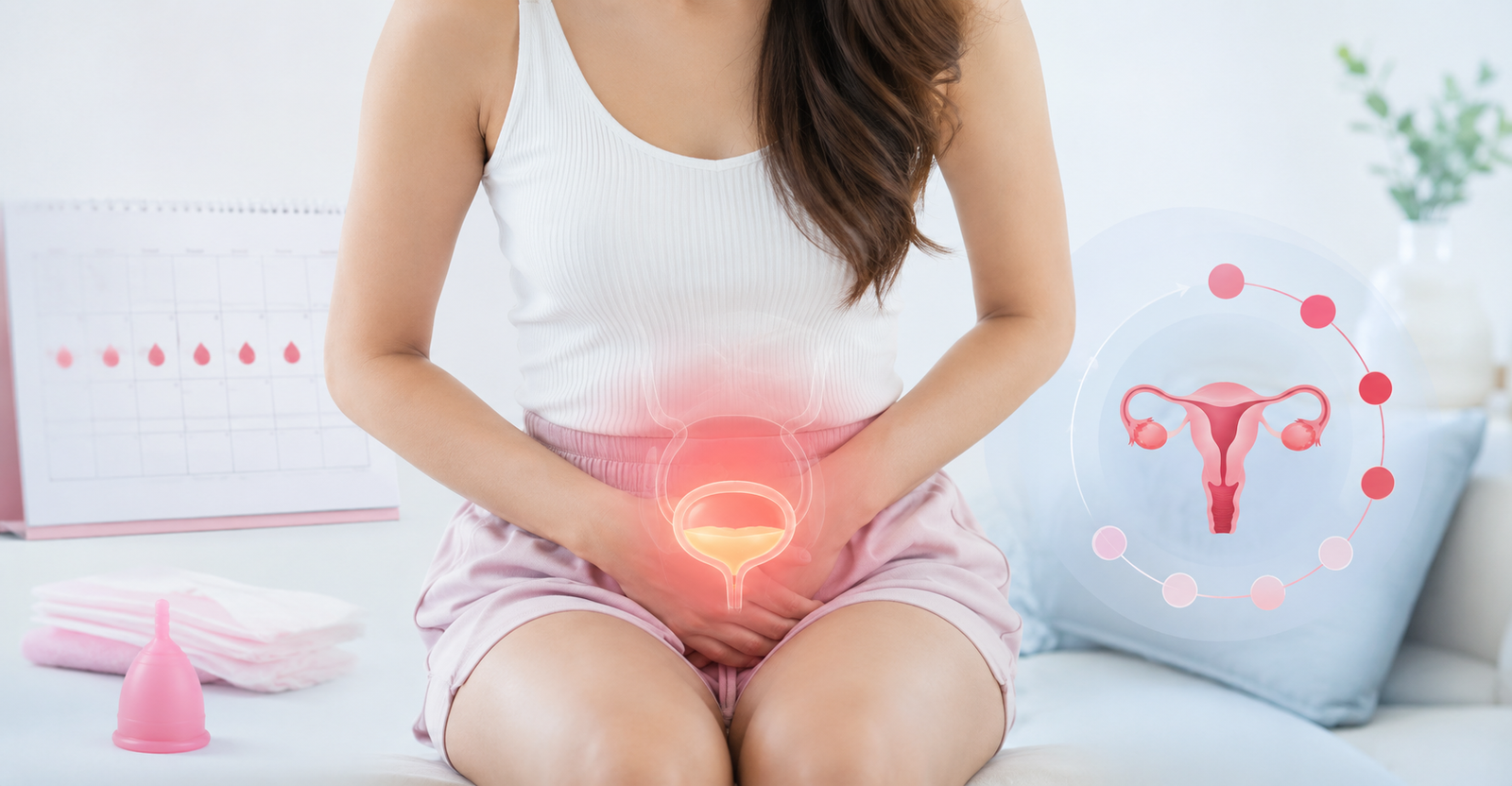
If you have ever noticed burning when you pee, bladder pressure, or a sudden urge to urinate around your period, you may wonder: can you get a UTI from your period? The simple answer is that your period itself does not directly “create” a urinary tract infection, but menstruation can make the area warmer, moister, and more sensitive, which may make it easier for bacteria to spread if hygiene, irritation, or other risk factors are involved.
A UTI, or urinary tract infection, usually happens when bacteria enter the urethra and infect part of the urinary tract. The CDC explains that UTIs commonly occur when bacteria from the skin or rectum enter the urethra and infect the urinary tract.
Can Periods Cause UTI?
The phrase can periods cause UTI is common because many people notice urinary symptoms during or after menstruation. A period does not directly cause a UTI in the same way bacteria do. The actual cause is usually bacteria entering the urethra and multiplying in the bladder or urinary tract.
However, your period may contribute to conditions that make irritation or bacterial movement more likely. Menstrual blood, pads, tampons, period underwear, sweating, moisture, and friction can all affect comfort around the vulva and urethral opening. The CDC notes that good menstrual hygiene can help prevent infections, reduce odor, and keep you comfortable during your period.
So, the better answer is: periods do not directly cause UTIs, but period-related changes can sometimes increase the chance of irritation, bacterial spread, or symptoms that feel similar to a UTI.
Why a Bladder Infection After Period Can Happen
A bladder infection after period may happen for several reasons. During your period, the area around the vagina and urethra may stay damp for longer, especially if pads or period underwear are not changed often enough. Moisture and warmth can make the area feel irritated and may make hygiene more difficult.
The urethra is close to the vagina and anus, so bacteria can move into the urinary tract more easily in some situations. Harvard Health explains that lower urinary tract infections are often caused by bacteria from the intestine spreading from the anus to the urethra and bladder.
A UTI after your period may also be linked to sex, dehydration, holding urine too long, wiping back to front, using scented products, or irritation from menstrual products. Mayo Clinic lists prevention steps such as drinking plenty of fluids, avoiding irritating feminine products, and reconsidering certain birth control methods like diaphragms, spermicides, or unlubricated condoms if UTIs keep happening.
Can a UTI Affect My Period?
Many people ask, can a UTI affect my period? A UTI usually does not directly change your menstrual cycle because the urinary tract and reproductive system are separate systems. A UTI affects the bladder, urethra, ureters, or kidneys, while your period comes from changes in the uterus and hormones.
That said, being sick can sometimes make your body feel off. Pain, stress, poor sleep, dehydration, fever, or another illness happening at the same time may make your period feel heavier, more painful, late, or unusual. But the UTI itself is not usually the direct cause of a delayed period.
There is also another reason people get confused: UTI symptoms and period symptoms can overlap. Pelvic pressure, lower abdominal discomfort, back pain, fatigue, and blood can all be confusing during menstruation. Mayo Clinic lists bladder-related UTI symptoms such as pelvic pressure, lower belly discomfort, frequent painful urination, and blood in urine.
If your period is late and you have UTI symptoms, also consider pregnancy, hormonal changes, stress, medication, illness, or another health issue. A pregnancy test may be useful if pregnancy is possible.
UTI Symptoms During or After Your Period
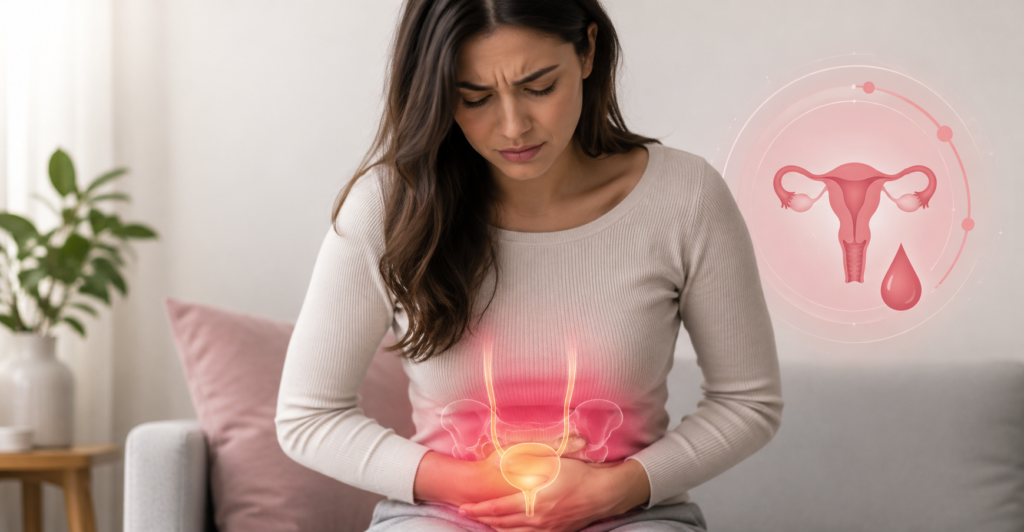
A UTI can feel uncomfortable at any time, but it can be more confusing during your period because cramps and bladder pain may feel similar.
Common UTI symptoms include:
- Burning or pain when urinating
- Frequent urge to pee
- Feeling like you need to pee but only passing a small amount
- Lower belly pressure or pelvic discomfort
- Cloudy, bloody, or strong-smelling urine
- Pain around the bladder area
NIDDK lists bladder infection symptoms such as burning during urination, frequent or intense urges to urinate, lower abdominal discomfort, and cloudy, bloody, or strong-smelling urine.
If symptoms include fever, chills, nausea, vomiting, or pain in your back or side, the infection may have reached the kidneys and needs medical attention. Mayo Clinic lists kidney infection signs such as back or side pain, high fever, shaking and chills, nausea, and vomiting.
Period Cramps vs UTI Pain
Period cramps usually feel like aching, squeezing, or cramping in the lower abdomen, often around the uterus. They may come in waves and improve with heat, rest, or pain relief.
UTI pain is different for many people. It often feels like burning while peeing, bladder pressure, urgency, or pain that gets worse when the bladder is full. If you feel pain mainly during urination, or you keep needing to pee even when little comes out, a UTI is more likely than regular period cramps.
Blood can also make things confusing. During your period, blood in the toilet or on tissue may be menstrual blood. But blood in urine can also happen with a UTI. The Office on Women’s Health says blood in the urine can occur with UTIs and advises telling a doctor or nurse if you see it.
Why UTI Symptoms May Feel Worse Around Your Period
Even when your period is not the direct cause, UTI symptoms may feel stronger around menstruation. Your pelvic area may already be sensitive because of cramps, bloating, hormonal changes, and inflammation. If a UTI starts during this time, the discomfort can feel more intense.
Some people also drink less water during their period because of bloating or nausea. Less fluid can mean less urination, and regular urination helps flush bacteria from the urinary tract. Mayo Clinic recommends drinking plenty of fluids, especially water, to help flush bacteria from the bladder and urethra.
Menstrual products may also play a role. A pad that stays on too long can trap moisture. A tampon may not cause a UTI by itself, but inserting it with unwashed hands or leaving it in too long can raise the risk of irritation or infection in the genital area.
Can Tampons or Pads Cause UTIs?
Tampons and pads do not directly cause UTIs, but how they are used can matter. If menstrual products are not changed regularly, they can create moisture and irritation. If hands are not clean before inserting a tampon or menstrual cup, bacteria may be introduced around the genital area.
The CDC’s menstrual hygiene guidance recommends washing your hands before and after changing menstrual products and changing products as directed.
If you notice UTIs or burning after every period, it may help to look at your product routine. Scented pads, deodorant sprays, fragranced wipes, harsh soaps, and vaginal douches can irritate the urethra and vulva. Mayo Clinic advises avoiding deodorant sprays, powders, and other feminine products that can irritate the urethra.
What to Do If You Think You Have a UTI on Your Period
If you think you have a UTI during your period, do not ignore it just because you are bleeding. A UTI can still be tested and treated while you are menstruating. A healthcare professional may ask for a urine sample and may give instructions to reduce contamination from menstrual blood.
Most UTIs are treated with antibiotics when needed. Cleveland Clinic states that antibiotics can treat most UTIs.
While waiting for care or test results, you can support your body by drinking water, avoiding bladder irritants like alcohol and too much caffeine, urinating when you need to, and changing menstrual products regularly. These steps may help comfort, but they do not replace medical treatment if you have a true bacterial infection.
When to See a Doctor
You should speak with a healthcare provider if you have burning urination, frequent urination, pelvic pressure, cloudy urine, blood in urine, or symptoms that do not improve. UTIs can spread if untreated, and bladder infections can sometimes move toward the kidneys. NIDDK explains that untreated bladder infections can spread to the kidneys and become more serious.
Get urgent medical care if you have:
- Fever or chills
- Back or side pain
- Nausea or vomiting
- Blood in urine that is not clearly menstrual blood
- Severe pelvic pain
- Pregnancy with UTI symptoms
- Symptoms that keep returning
- Diabetes, kidney problems, or a weakened immune system
UTIs in pregnancy need special care. ACOG states that UTIs during pregnancy are associated with adverse pregnancy outcomes, including increased rates of preterm delivery and low birth weight.
How to Lower UTI Risk Around Your Period
You cannot always prevent a UTI, but a few habits may lower your risk, especially if you often get symptoms around your cycle.
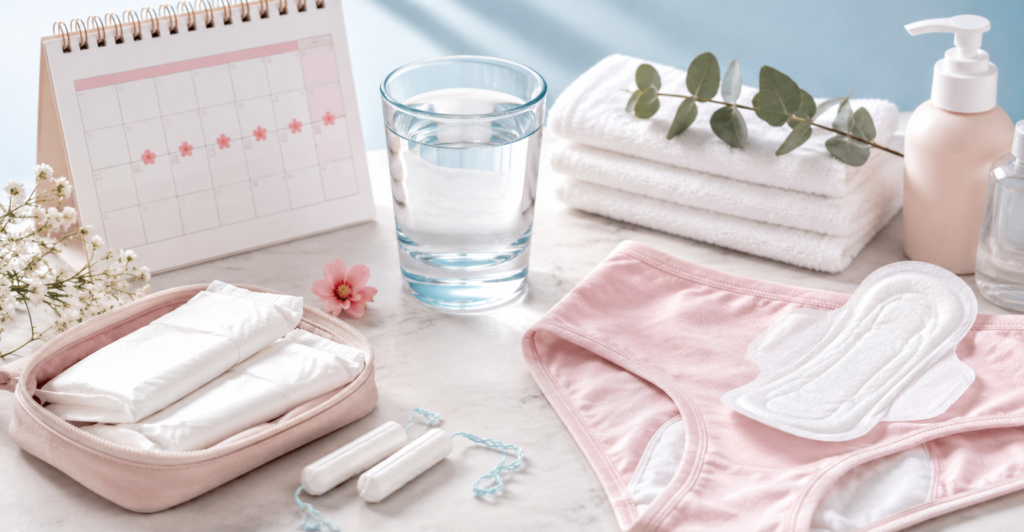
Change pads, tampons, or period underwear regularly. Wash your hands before and after handling menstrual products. Wipe from front to back. Drink enough water. Do not hold urine for long periods. Urinate after sex. Avoid scented vaginal products, harsh soaps, and deodorant sprays around the vulva.
If you use diaphragms, spermicides, or unlubricated condoms and keep getting UTIs, ask a healthcare professional whether your birth control method could be contributing. Mayo Clinic notes that changing birth control methods may help if you use a diaphragm, spermicide, or unlubricated condoms.
Also, avoid trying to “clean inside” the vagina. The vagina is self-cleaning, and harsh products can disrupt the natural balance. Gentle external washing with water is usually enough for the vulva.
Why UTIs Keep Coming Back After Periods
If you keep getting a bladder infection after period, it may not be the period alone. Recurrent UTIs can happen because of sexual activity, anatomy, hormone changes, menopause, certain birth control methods, diabetes, kidney stones, incomplete treatment, or bacteria that return after antibiotics.
Cleveland Clinic defines recurrent UTI as two or more UTIs within six months or three UTIs within one year.
If your symptoms follow a pattern every month, track when they start, what products you use, whether you had sex, how much water you drank, and whether symptoms are confirmed by a urine test. This can help your doctor or gynecologist see whether it is truly a UTI, irritation, yeast infection, bacterial vaginosis, interstitial cystitis, or another issue.
Can you get a UTI from your period?
Not directly. A UTI is usually caused by bacteria entering the urinary tract, but your period can create moisture, irritation, or hygiene challenges that may increase risk for some people.
Can periods cause UTI?
Periods do not cause UTIs by themselves. Bacteria cause UTIs, but period-related habits or irritation can make symptoms more likely around that time.
Can a UTI affect my period?
A UTI usually does not directly affect your menstrual cycle. However, illness, stress, dehydration, pain, or another condition happening at the same time may make your period feel different.
Why do I get a bladder infection after period?
It may be linked to bacteria entering the urethra, moisture, menstrual product irritation, sex, dehydration, scented products, or another recurring trigger. If it happens often, it is worth getting checked.
Helpful Summary for Readers
A period does not directly cause a UTI, but it can make the area more sensitive and create conditions where bacteria or irritation become more of a problem. A bladder infection after period should be taken seriously if you have burning pee, urgency, pelvic pressure, cloudy urine, or symptoms that keep returning. If you are asking can a UTI affect my period, the usual answer is no, not directly, but feeling unwell can make your cycle feel different. For repeated symptoms, a urine test and professional advice are the safest way to know what is really going on.
 Jack kallis