 By Jack kallis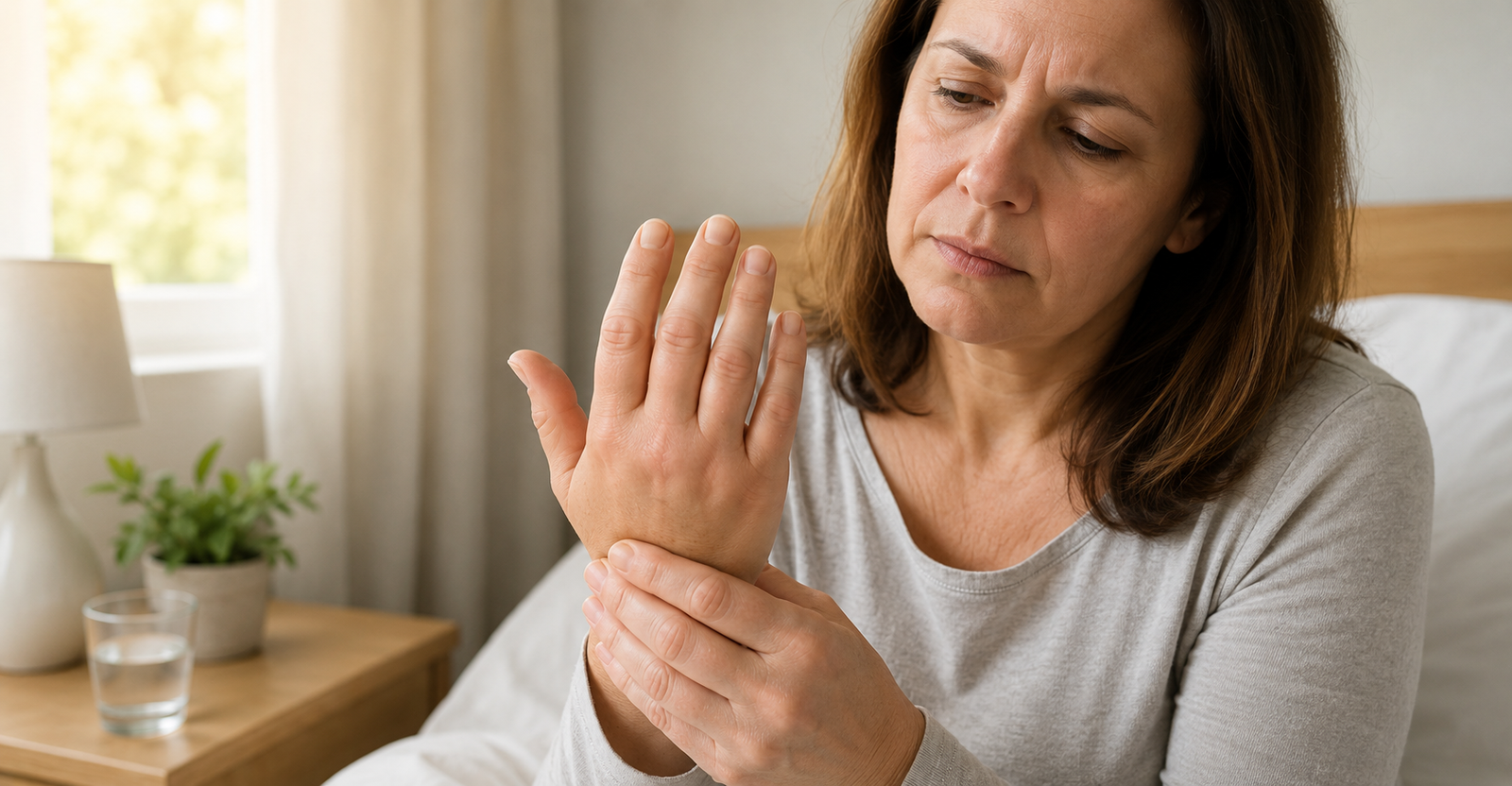
Waking up with puffy fingers, tight rings, stiff knuckles, or a heavy feeling in your hands can be uncomfortable and confusing. If your hands swell in the morning, it is often due to fluid settling overnight, your sleeping position, salt intake, or temporary inflammation. In many cases, it improves after you start moving around.
But swelling hands in the morning can also be linked to arthritis, carpal tunnel syndrome, medication side effects, pregnancy, kidney problems, heart or liver conditions, circulation issues, or lymph fluid buildup. The NHS explains that swelling in the arms and hands is often caused by fluid buildup, and possible triggers include staying in one position too long, eating too much salty food, certain medicines, infection, injury, hot weather, kidney, liver or heart problems, blood clots, circulation issues, and lymphoedema.
Why Do Hands Swell in the Morning?
The most common reason for hand swelling in the morning is fluid retention. While you sleep, your hands may stay still for hours. Fluid can collect in the soft tissues around the fingers, knuckles, and wrists, especially if your hands are lower than your heart or pressed under your body.
This is why your fingers may feel tight right after waking, but loosen up after you wash your hands, stretch your fingers, or walk around. Mild swelling that fades quickly is usually less concerning than swelling that is painful, one-sided, sudden, red, hot, or persistent.
Morning swelling may feel like:
Puffy fingers
Tight rings
Stiff knuckles
Difficulty making a fist
A heavy or full feeling in the hands
Mild tingling or pressure
Shiny or stretched skin if swelling is stronger
Sleeping Position Can Make Hands Puffy
Your sleep position can play a big role. If you sleep with your wrists bent, arms tucked under your body, or hands hanging down, blood flow and fluid drainage may be affected. Pressure on the wrist or arm can also irritate nerves, which may cause tingling or numbness along with swelling.
This type of swelling often improves once you move your fingers and arms. It may also help to avoid sleeping with your hands under your pillow or body. Keeping wrists more neutral and arms supported can reduce morning tightness.
Too Much Salt the Day Before
A salty dinner can make your body hold extra fluid. If you notice swollen fingers after eating processed foods, restaurant meals, chips, fast food, salty snacks, or heavy sauces, sodium may be part of the problem.
The hands are one of the places where extra fluid can show up because the fingers have small soft tissue spaces that can feel tight quickly. This kind of swelling often improves as your body balances fluids again, especially with normal hydration and movement.
Arthritis and Morning Hand Swelling
If your hands are swollen and stiff every morning, especially around the knuckles or finger joints, arthritis may be worth considering. Rheumatoid arthritis often affects the small joints of the hands and feet, and it can cause pain, swelling, warmth, tenderness, and morning stiffness. The NHS notes that rheumatoid arthritis can affect the small joints of the hands early, often causes symptoms on both sides of the body, and morning stiffness may last longer than the stiffness usually seen with osteoarthritis.
Arthritis-related swelling may come with:
Joint pain
Warmth around the joints
Morning stiffness lasting more than 30 minutes
Swelling in both hands
Difficulty closing the hand fully
Tender knuckles or wrists
Symptoms that improve with gentle movement
If your fingers feel swollen every morning and the stiffness lasts a long time, it is better to get checked rather than only using home remedies.
Carpal Tunnel Syndrome Can Feel Like Swelling
Sometimes the hand does not look very swollen, but it feels swollen, numb, or tight. This can happen with carpal tunnel syndrome, where pressure on the median nerve in the wrist causes tingling, numbness, weakness, and discomfort in the thumb, index, middle, and ring fingers. Mayo Clinic explains that carpal tunnel symptoms may wake people from sleep, and many people shake out their hands to relieve the numb feeling.
Carpal tunnel can be more noticeable in the morning because wrists may bend during sleep. It may feel like:
Pins and needles
Numb fingers on waking
Hand weakness
A swollen feeling without obvious puffiness
Symptoms worse at night or first thing in the morning
If numbness, tingling, or weakness keeps returning, a wrist brace or medical evaluation may help.
Medication Side Effects
Some medicines can cause fluid retention or swelling. The NHS lists certain blood pressure medicines, contraceptive pills, antidepressants, and steroids among possible causes of swollen arms and hands.
Do not stop a prescribed medicine on your own. If swelling started after a new medication or dose change, speak with your doctor or pharmacist. They may adjust the dose, switch the medicine, or check whether another issue is causing the swelling.
Pregnancy and Hormonal Fluid Retention
Fluid retention is common during pregnancy, and hands may feel puffy in the morning or later in the day. Hormonal changes, increased blood volume, and pressure on circulation can all contribute.
Mild swelling can be common, but sudden swelling of the hands or face during pregnancy should be taken seriously, especially with headache, vision changes, upper abdominal pain, dizziness, or high blood pressure concerns. Mayo Clinic lists pregnancy as a risk factor for edema, along with certain medicines and long-term conditions such as heart, liver, or kidney disease.
Kidney, Heart, Liver, or Circulation Problems
Most morning hand swelling is not caused by a serious disease, but persistent or unexplained swelling can sometimes reflect a larger fluid-balance issue. The kidneys help remove extra fluid, the heart helps circulate blood, and the liver helps maintain blood proteins and fluid balance. When these systems are not working well, swelling can appear in the hands, feet, legs, face, or other areas.
This is more concerning if hand swelling comes with:
Swelling in the feet, ankles, or face
Shortness of breath
Unusual fatigue
Foamy urine or changes in urination
Rapid weight gain from fluid
Chest discomfort
Abdominal swelling
Swelling that does not improve during the day
The NHS advises getting medical help when swelling has no obvious cause, is severe or sudden, is painful, is red or hot, comes with fever, affects other parts of the body, or occurs in someone with diabetes.
Swollen Hands in the Morning Remedy
A good swollen hands in the morning remedy depends on the cause. For mild puffiness, simple steps may help reduce fluid buildup and stiffness.
Try gentle finger movement before getting out of bed. Open and close your hands slowly, spread your fingers, rotate your wrists, and raise your arms above your heart for a short time. The NHS recommends raising the arm with pillows or cushions, moving the arm normally, gentle exercise such as walking to improve blood flow, staying hydrated, protecting the skin, and staying cool if heat worsens swelling.
Helpful morning steps include:
Elevate your hands for a few minutes after waking.
Open and close your fists gently to move fluid.
Stretch your wrists and fingers without forcing painful joints.
Drink water normally instead of restricting fluids.
Reduce salty foods if swelling follows high-sodium meals.
Avoid sleeping on your hands or wrists.
Remove tight rings before bed if swelling is common.
Use a cool compress if the hands feel hot or inflamed.
Use warmth if stiffness feels more joint-related, unless swelling is red or hot.
Mayo Clinic notes that mild edema often goes away on its own, and raising an affected limb above the heart can help; more serious edema treatment focuses on the underlying cause.
When Heat Helps and When Cold Helps
Warmth may help if your hands feel stiff from arthritis or inactivity. A warm shower, warm towel, or gentle hand movement can loosen joints.
Cold may feel better if your hands are puffy, irritated, or inflamed after overuse. A cool compress can reduce discomfort, but do not apply ice directly to the skin.
Use pain as your guide. If heat makes the swelling worse, stop. If cold causes numbness or discomfort, stop.
Morning Hand Swelling From Exercise or Overuse
Hands can swell after heavy exercise, gripping tools, lifting weights, long walks, or repetitive work. Overuse can irritate tendons and soft tissues, and fluid may collect overnight while the hands rest.
If swelling follows activity, rest, gentle stretching, elevation, and avoiding the trigger for a day or two may help. But swelling after an injury, fall, sprain, or direct hit should be watched more carefully, especially if there is bruising, deformity, severe pain, or reduced movement.
How to Tell Mild Swelling From a Warning Sign
Mild morning swelling usually improves within a short time after movement. It may happen after salty food, poor sleep posture, heat, or a busy day using your hands.
More concerning hand swelling in the morning may be:
Only on one side
Sudden or severe
Painful
Red, hot, or tender
Linked with fever or chills
Paired with numbness or weakness
Not improving during the day
Associated with shortness of breath or chest pain
Happening with swelling in the face, legs, or feet
If swelling is severe or sudden, do not rely only on home remedies.
What a Doctor May Check
If swelling hands in the morning keeps happening, a doctor may ask about your sleep position, diet, medication list, pregnancy status, joint pain, stiffness duration, injuries, numbness, and whether swelling appears elsewhere.
Depending on your symptoms, they may check:
Blood pressure
Kidney function
Liver function
Thyroid levels
Inflammation markers
Rheumatoid arthritis tests
Urine tests
Hand or wrist imaging
Nerve testing if carpal tunnel is suspected
The goal is not just to reduce swelling but to understand why it is happening.
Best Plain Answer
If your hands swell in the morning but improve quickly, common causes include fluid retention, sleeping position, salty food, heat, or mild overuse. A simple swollen hands in the morning remedy may include raising your hands, gentle finger movement, hydration, less salt, and avoiding pressure on your wrists while sleeping.
If the swelling is painful, one-sided, red, hot, sudden, persistent, or comes with numbness, weakness, fever, shortness of breath, or swelling in other parts of the body, it is worth getting medical advice.