 By Admin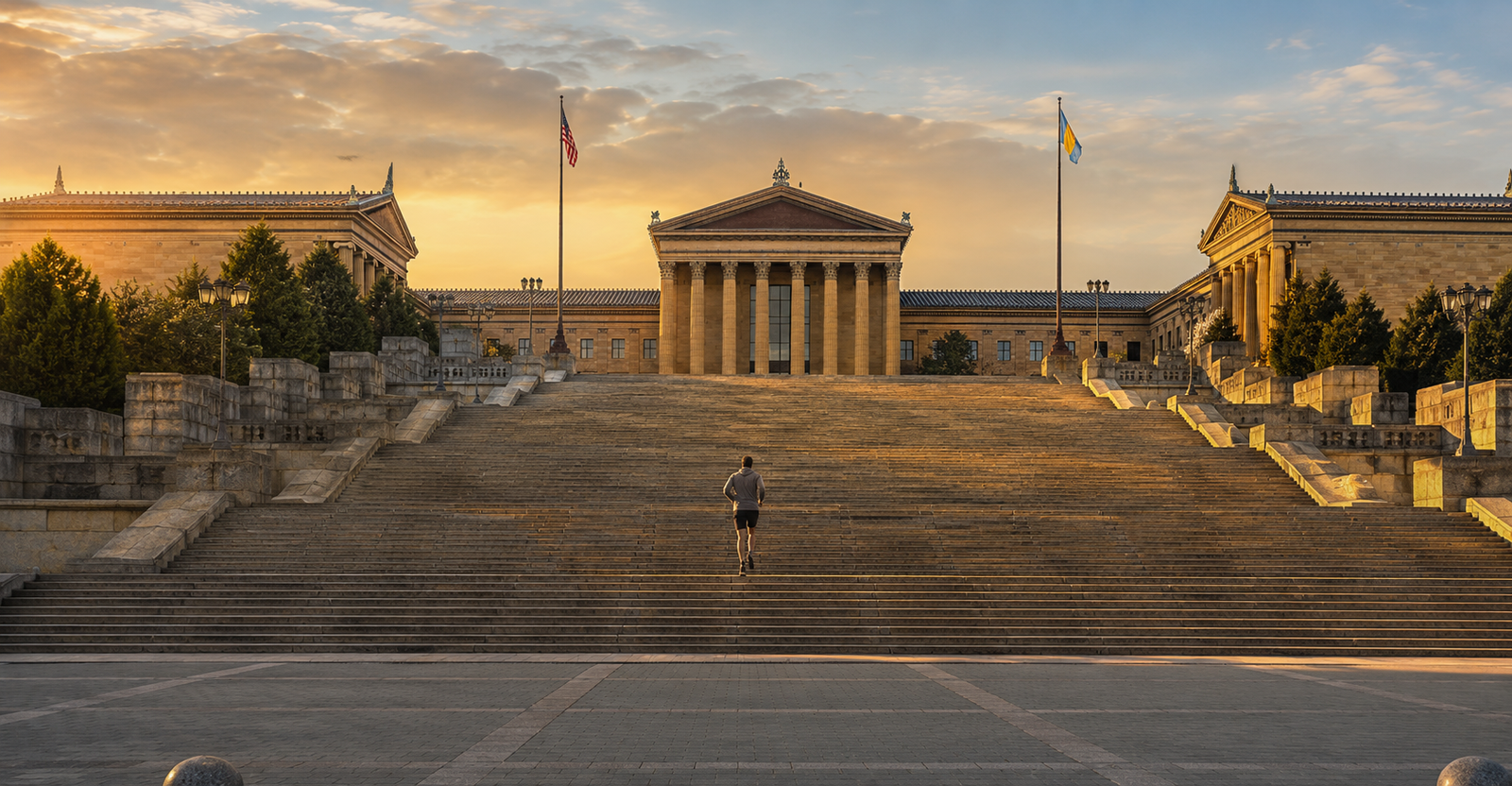
The Philadelphia Museum of Art is known for world-class galleries, grand architecture, and one of the most recognizable entrances in America. But for millions of visitors, the first thing that comes to mind is not a painting or sculpture inside the museum. It is a run up the steps, a raised-arms pose, and the spirit of Rocky Balboa.
That is why the phrase Philadelphia Museum of Art sports icon almost always points to Rocky, the fictional boxer played by Sylvester Stallone. The Rocky Steps and Rocky Statue have become more than movie landmarks. They are symbols of grit, hard work, and the underdog energy that many people connect with Philadelphia.
The story is unusual because Rocky Balboa is not a real athlete. Still, his image has become one of the city’s most powerful sports symbols. Visitors from around the world come to the Art Museum steps to recreate the famous run, take photos with the statue, and feel, even for a moment, like they have reached the top of their own fight.
Why the Philadelphia Museum of Art Is Linked to Rocky
The connection began with the 1976 film Rocky. In one of the movie’s most famous scenes, Rocky Balboa runs through Philadelphia during training and finishes by climbing the steps of the Philadelphia Museum of Art. At the top, he turns toward the city, raises both arms, and celebrates a personal victory before the big fight.
That short scene changed the way many people saw the museum’s front steps. They were no longer just a grand entrance to an art museum. They became a place where visitors could act out a moment of effort, pride, and belief.
Visit Philadelphia describes the Rocky Statue and Rocky Steps as two of the city’s most popular and essential stops, with people arriving daily to run up the steps and take photos with the statue. The site also calls the experience a rite of passage for visitors to Philadelphia.
For first-time visitors, that is the main reason the steps feel special. You are not only visiting a filming location. You are joining a tradition that has lasted for decades.
The Story Behind the Rocky Steps
The Rocky Steps are the large stone steps leading to the east entrance of the Philadelphia Museum of Art. Their fame comes from the training montage in Rocky, where the climb becomes a visual sign of progress.
The scene works because it is simple. Rocky is tired, unknown, and fighting against the odds. He runs through the city, pushes himself up the steps, and reaches the top. The raised-arms pose says everything without needing much dialogue.
That is why tourists still copy it. The climb is not only about the movie. It gives visitors a small, physical way to feel the story. You start at the bottom, move upward, reach the top, and look out over the Philadelphia skyline.
The view matters too. From the top of the steps, you can see down the Benjamin Franklin Parkway toward Center City Philadelphia. It is one of the most famous views in the city, and it adds to the feeling that the climb has a reward.
How the Rocky Statue Became a Philadelphia Landmark
The Rocky Statue was created by artist A. Thomas Schomberg for Rocky III. It shows Rocky Balboa as a larger-than-life boxer, arms raised in victory, wearing boxing gloves and trunks. After filming, Sylvester Stallone donated the statue to the City of Philadelphia.
Over time, the statue became one of the city’s most photographed landmarks. Visitors lined up to pose beside it, copy the victory stance, and connect with the underdog message of the films.
But the statue’s place at the museum was not always simple. For years, there was tension over whether a movie prop belonged near a major art museum. Some people saw it as pop culture, not fine art. Others saw it as public art because the public had already embraced it.
That debate is part of what makes the statue interesting. It is not just a bronze figure. It is a case study in how a city, its visitors, and its culture can turn a film object into a public monument.
Why Rocky Became a Sports Icon Even Though He Is Fictional
Rocky Balboa became a sports icon because people responded to what he represented. He was not polished. He was not born into privilege. He was a working-class fighter trying to prove that he belonged.
That message fits Philadelphia well. The city has always had a strong sports identity, built around loyalty, toughness, and emotional connection. Philadelphia sports fans are known for caring deeply, whether they are cheering for the Eagles, Phillies, 76ers, or Flyers.
Rocky fits into that world because he feels like an underdog. He is fictional, but the emotion behind him is real. His story is about effort, endurance, failure, discipline, and getting back up. That is why the Rocky Steps still attract sports fans, movie lovers, families, students, and travelers who may not even be boxing fans.
The statue works because it gives that feeling a physical form. You can stand beside it. You can run the steps. You can take the photo. You can become part of the story for a few minutes.
The Museum Finally Brings Rocky Inside
In 2026, the relationship between Rocky and the Philadelphia Museum of Art reached a new point. The museum opened Rising Up: Rocky and the Making of Monuments, an exhibition that brings the statue into the museum conversation in a serious way.
The Philadelphia Museum of Art says the exhibition traces more than two millennia of artists’ engagement with boxing and celebrity, including ancient sculpture, nineteenth-century works, golden-age boxing imagery, and contemporary art. It also explains how visitors project ideas like perseverance, spirit, and grit onto the Rocky Statue.
The exhibition is important because it frames Rocky as more than a tourist photo stop. It asks why people care about the statue, how monuments gain meaning, and how public memory changes over time.
The museum’s press material says Rising Up explores how monuments are made and remade by artists, communities, and time, opening conversations about memory, identity, power, and representation in public art.
For visitors, this makes the story richer. The Rocky Statue is not only outside the museum anymore. It is now part of a larger discussion about art, sports, celebrity, boxing, and Philadelphia identity.
The Joe Frazier Connection
A complete story about the Philadelphia Museum of Art sports icon should also include Smokin’ Joe Frazier. Unlike Rocky Balboa, Joe Frazier was a real boxing champion with deep ties to Philadelphia.
The Associated Press reported that one gallery in the museum exhibition turns to Philadelphia itself, including photographs of the Blue Horizon boxing gym and a section on Joe Frazier, whose real-life story partly inspired Rocky. The same report noted that when the exhibition closes in August 2026, the statue inside is expected to move to a permanent home at the top of the museum steps, while a Frazier statue is planned for Rocky’s longtime spot at the bottom.
That change matters. It gives space to both symbols: Rocky, the fictional underdog who became a global pop culture figure, and Joe Frazier, the real Philadelphia boxer whose life and career deserve their own public recognition.
For many locals, this balance feels important. Rocky may be the tourist icon, but Joe Frazier is part of the city’s real sports history.
Where the Rocky Statue Is Now
For 2026, visitors should know that the location has changed. Visit Philadelphia says the Rocky Statue is now located at the top of the Rocky Steps, while the former location near the bottom of the steps is slated to become home to a statue of Smokin’ Joe Frazier later in the year.
The same guide notes that the statue currently greeting visitors at the top is on loan from Sylvester Stallone’s private collection, while the city’s statue is on display inside the museum’s Rising Up exhibition through August 2, 2026. The city’s statue is expected to return to the top of the stairs permanently afterward.
Because placement can change around exhibitions, events, and city plans, visitors should check the latest museum or visitor information before going.
Visitor Tips for the Rocky Steps and Rocky Statue
The Rocky Steps and Rocky Statue are located at 2600 Benjamin Franklin Parkway, near Kelly Drive and the Philadelphia Museum of Art. Visiting the steps and statue is free.
If you want a cleaner photo, go early in the morning or on a weekday. The Philadelphia Visitor Center also recommends early mornings and weekdays because they tend to be less crowded.
A good visit is simple. Start at the bottom of the steps, run or walk up at your own pace, raise your arms at the top, and take in the view of Benjamin Franklin Parkway and Center City. Then make time for photos with the statue.
If you are a serious Rocky fan, stop by the Parkway Visitor Center and Rocky Shop near the base of the steps. You can find official Sylvester Stallone merchandise, souvenirs, visitor information, and tickets for nearby attractions.
Things to Do Near the Rocky Steps
The area around the Philadelphia Museum of Art is one of the best parts of the city for visitors. After seeing the Rocky Steps, you can spend time inside the museum, walk along the Benjamin Franklin Parkway, or visit nearby attractions.
Good nearby stops include The Franklin Institute, Barnes Foundation, Rodin Museum, Logan Square, Fairmount Park, Boathouse Row, and the Schuylkill River Trail. If you want a full day, combine the steps with a museum visit and a walk along the parkway.
You can also head toward Center City Philadelphia for Reading Terminal Market, City Hall, Rittenhouse Square, or Old City. The museum area is close enough to fit into a bigger first-time visitor itinerary.
Why the Rocky Steps Still Matter
The lasting power of the Rocky Steps comes from how easy the moment is to understand. You do not need to know every detail of the movie to feel the meaning. Someone works hard, climbs higher, and celebrates the fact that they made it.
That is why the steps remain one of the most visited places in Philadelphia. They turn a movie scene into a shared public ritual. Every person who runs up the steps brings their own reason: fun, nostalgia, fitness, travel, sports fandom, family tradition, or personal motivation.
The Philadelphia Museum of Art may be the official landmark, but the steps have become a landmark of feeling. They represent the belief that effort matters. For a city that takes sports, struggle, and pride seriously, that message still feels right.
A Symbol That Belongs to Visitors and the City
The story of the Philadelphia Museum of Art sports icon is not only about a statue or a staircase. It is about how culture works. A movie used a real place. Visitors copied the movie. The city embraced the ritual. The statue became a monument. The museum, after years of tension, began to study and display it as part of a larger story.
That journey is what makes Rocky Balboa unusual. He is fictional, but the reaction to him is real. He stands for the underdog spirit, the sports heart of Philadelphia, and the idea that ordinary people can keep climbing.
For first-time visitors, running the Rocky Steps may seem like a simple tourist activity. But once you reach the top and look back at the city, it is easy to understand why this fictional boxer became one of Philadelphia’s most unforgettable sports icons.
 Cooper