 By Admin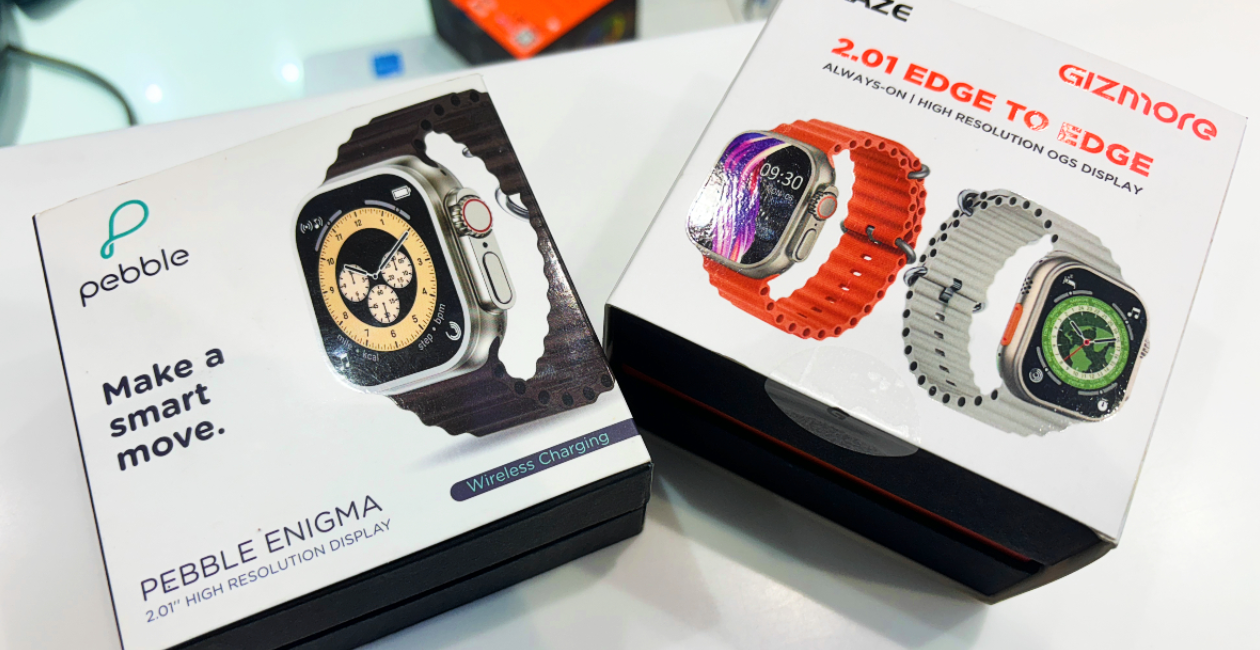
For a while, India’s smartwatch market looked like a pure numbers game. Low prices pulled in first-time buyers, new brands kept appearing, and the category expanded quickly because almost everyone could afford to try a smartwatch. That phase now looks like it is fading. In 2024, India’s smartwatch shipments fell sharply, yet Apple Watch moved in the opposite direction and posted a major jump. That contrast is what makes this story interesting. Apple is not growing because the whole market is booming. It is growing while the broader market is getting tougher.
According to TechCrunch, citing Counterpoint Research, India’s smartwatch shipments dropped 30% year on year in 2024, while Apple Watch shipments rose 141%. The same report noted that Apple was coming off a 57% decline in 2023, which makes the rebound even more striking. This is not just a routine growth story. It signals a meaningful change in what Indian buyers now expect from a smartwatch.
India’s smartwatch market is cooling off
The first thing to understand is that India’s smartwatch market is no longer in its easy-growth stage. The category had years of momentum, but much of that came from entry-level devices that were cheap enough to attract first-time buyers quickly. Once that wave matured, the weaknesses in the category became harder to ignore. Times of India, also citing Counterpoint, said the market contraction was linked to weaker upgrade cycles and unsatisfactory user experiences among first-time buyers.
That same report adds an important detail many articles skip. The slowdown was tied to limited differentiation and innovation in cheaper models, poor sensor accuracy, confusing product choices, and negative initial user experiences. In plain terms, a lot of lower-priced watches helped build the market, but many did not give people a strong enough reason to stay loyal or upgrade within the same segment. When that happens, buyers start looking upward.
This helps explain why some of the biggest domestic names struggled. Times of India reported shipment declines for Fire-Boltt, boAt, and Noise, even though they still held major market share. That suggests the lower end of the market remains large, but it is no longer carrying the same excitement or confidence it once did.
Why Apple Watch is benefiting from that slowdown
This is where Apple Watch starts to make more sense. It is not winning because it is cheap or because it dominates the mass market. It is winning because the buyers who remain interested in smartwatches are becoming more selective. They are asking better questions. Does the watch track health data well? Does it work smoothly with the phone? Does it feel polished enough to use every day? Is it something worth upgrading to instead of just experimenting with once? Those questions naturally push more people toward premium devices.
TechCrunch quoted Counterpoint senior analyst Anshika Jain saying that some experienced users gradually moved to advanced smartwatches for better health insights, stronger smartphone integration, and features that cheaper devices lacked. That is probably the clearest explanation for Apple’s surge. Once a market matures, many users stop buying on price alone and start buying based on trust, reliability, and overall experience.
There is also a simple psychological shift underneath all of this. Early in a product category, people are happy to try whatever is affordable. Later, after they have lived with the product, they care more about whether it actually improves daily life. That is often when premium brands gain ground. In India’s smartwatch market, that seems to be happening now, and Apple Watch is one of the clearest beneficiaries.
The real story is premiumization
The most useful word for this trend is premiumization. India’s smartwatch market may be slowing overall, but the premium segment is moving in the opposite direction. TechCrunch reported that premium smartwatch shipments in India grew 147% in 2024, and that Apple Watch captured 50% of that premium segment. The top-performing models were the Series 10 and Series 9, while Samsung and OnePlus were the other major players in that price band.
Times of India echoed that pattern, noting that the premium segment grew because experienced users were upgrading to better devices. That matters because it shows Apple is not just benefiting from short-term hype. It is sitting in the exact part of the market that now appears healthiest. When a category shifts from mass experimentation to more thoughtful upgrading, premium brands often do better than the raw market numbers suggest.
At the same time, it is worth keeping the Apple story in perspective. TechCrunch reported that Apple Watch still made up only about 2% of India’s entire smartwatch market in 2024. So Apple is not dominating the whole category by volume. What it is doing is becoming far more relevant in the premium slice of the market, which may matter more over time than sheer shipment size at the budget end.
The iPhone effect is helping too
Another reason Apple Watch is suddenly growing fast in India is the strength of the broader Apple ecosystem. TechCrunch reported that Apple became one of the top five smartphone vendors in India in the fourth quarter of 2024, with roughly a 10% share. That is important because Apple Watch is not a standalone story in the same way many cheaper smartwatches are. Its appeal gets stronger when more people already own an iPhone.
This is where ecosystem buying becomes a real advantage. When consumers enter the Apple world through the phone first, the watch often becomes a much easier second purchase. It feels less like trying a new gadget category and more like extending something they already use. That dynamic can be especially powerful in premium tech, where buyers care more about smooth integration, long-term software support, and a product that feels dependable.
Apple’s wider India momentum adds context
The broader Apple in India story also helps frame why the brand feels stronger now. According to The Economic Times, Apple’s vendors exported a record $2.5 billion of components and sub-assemblies to China in FY26 already, which the paper described as an early sign of success for India’s ECMS program. The same report said Apple produced $70 billion worth of iPhones in India over five years under the smartphone PLI scheme, with $51 billion exported.
That report also named several vendors involved in driving exports, including Foxconn, Tata Electronics, Pegatron, Motherson, Salcomp, TRIL Bangalore, and Yuzhan Technology. This does not directly prove why Apple Watch shipments jumped, but it does show how much bigger Apple’s footprint in India has become. A stronger local ecosystem usually improves brand visibility, consumer confidence, and the sense that Apple is becoming more central to India’s tech economy. That is a reasonable supporting factor, even if it is not the main driver on its own.
In other words, Apple Watch growth fits into a wider pattern. Apple is not just selling devices in India. It is becoming more embedded in the country through production, exports, suppliers, and the expanding iPhone base. When those things rise together, it becomes easier for premium accessories like the watch to grow alongside them.
What this says about the Indian wearable market
The biggest takeaway is that India’s wearable market is changing shape. The old growth model depended heavily on affordability and novelty. The new one looks more demanding. Buyers want better experiences, better health tracking, better integration, and products they can trust for longer than a few weeks. That shift does not automatically make the market smaller forever, but it does make it more selective.
That is why Apple Watch growth matters beyond Apple itself. It suggests that the next winners in India’s smartwatch category may not be the brands with the lowest prices. They may be the brands that offer the clearest value, the strongest reliability, and the most polished overall experience. Counterpoint’s view, as cited by TechCrunch, is that this trend may continue in 2025. If that happens, premium wearables could become one of the most important stories in India’s consumer tech market.So why is Apple Watch suddenly growing fast in India? Because the market is moving away from cheap experimentation and toward more serious buying decisions. Because first-time hype around low-cost smartwatches has cooled. Because experienced users are upgrading to better devices. And because Apple is well placed to benefit from that shift through its ecosystem, brand trust, and growing presence in India. That is the real story behind the shipment surge.